International guests who rent cars for Spanish destination weddings often focus on fuel policy, tolls, and parking—and overlook the country’s dense speed-camera network. Fixed radares, mobile units, and average-speed sections can generate multas that arrive at the rental company weeks after the couple has left the finca. A short, practical driving brief protects guests, the couple’s deposit card, and the weekend mood.
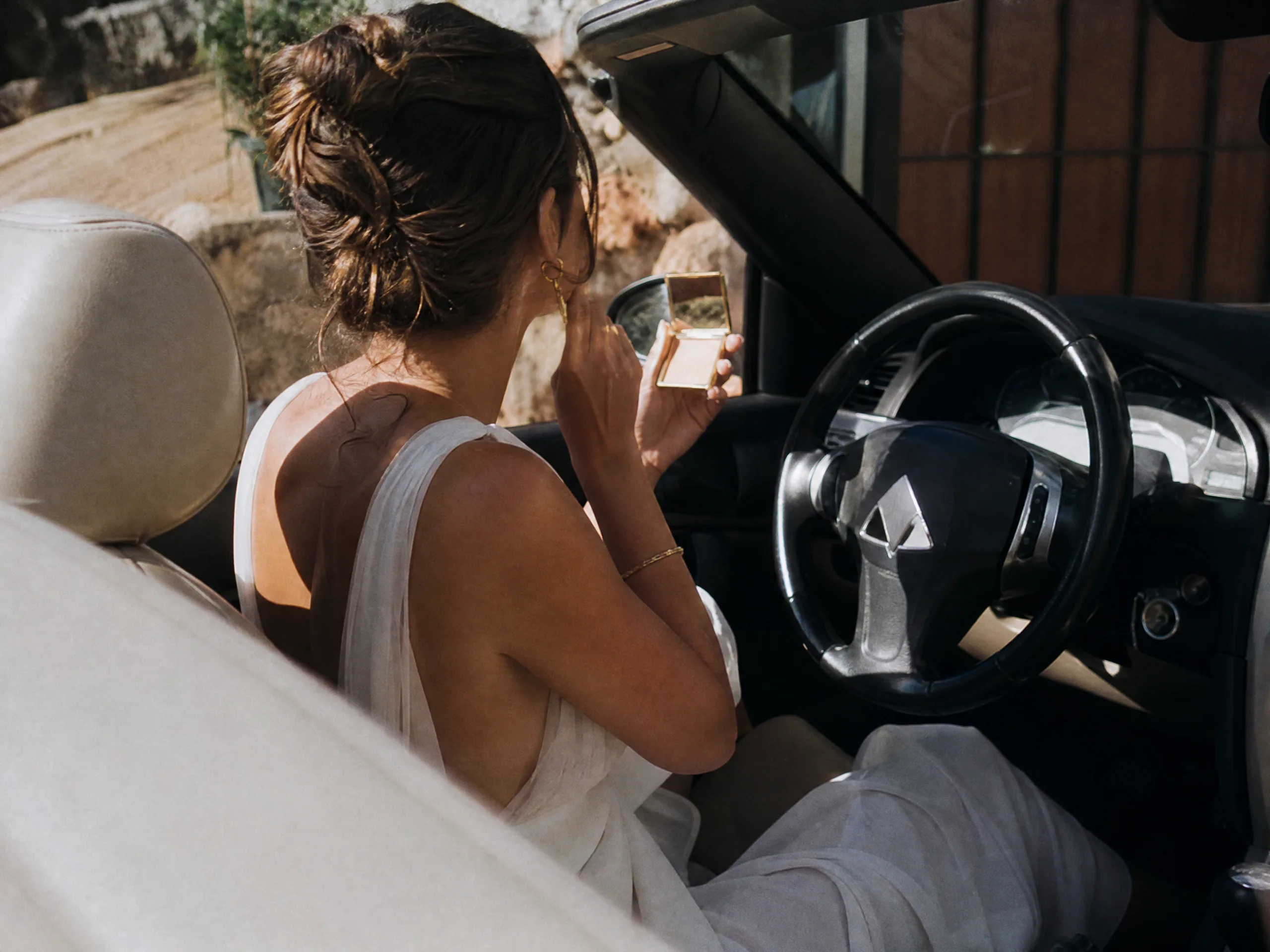
Why Radar and Multas Belong in the Guest Driving Brief
Wedding weekends in Spain often include airport pickups, rural estate approaches, late-night returns after open dancing, and free-day coastal drives. Guests used to US or UK enforcement patterns underestimate how quickly a brief overspeed on a dual carriageway becomes a ticket. KUDRYA Studio planners treat radar awareness as guest logistics: one clear note on common limits, one note on how rental firms forward fines, and one reminder that celebration energy does not pause the cameras. Clarity prevents surprise charges on the couple’s corporate card months later.

Fixed Radars, Mobile Units, and Average-Speed Sections
Spain uses fixed roadside and overhead cameras, temporary mobile trucks, and radar de tramo average-speed sections that measure time between two points. Guests who slow only at the camera box and accelerate between gantries still risk a fine on tramo routes. Motorway approaches to cities, tunnel exits, and scenic coastal N-roads are frequent camera corridors. Put one line in the welcome guide: obey posted limits the whole segment, not only the yellow box you can see.
Autopista vs Urban Limits Guests Misread
Autopista and autovía limits are often 120 km/h unless signed lower; national roads and urban entries drop quickly to 90, 70, or 50. Historic-center approaches near ceremony venues can fall to 30 km/h with little warning for first-time visitors. Guests navigating with phone maps while chatting about the rehearsal dinner miss the change. Ask drivers to assign a navigator, enable speed-limit display in the rental’s built-in system when available, and treat town-entry signs as hard stops—not suggestions.

How Rental Companies Forward Multas After the Weekend
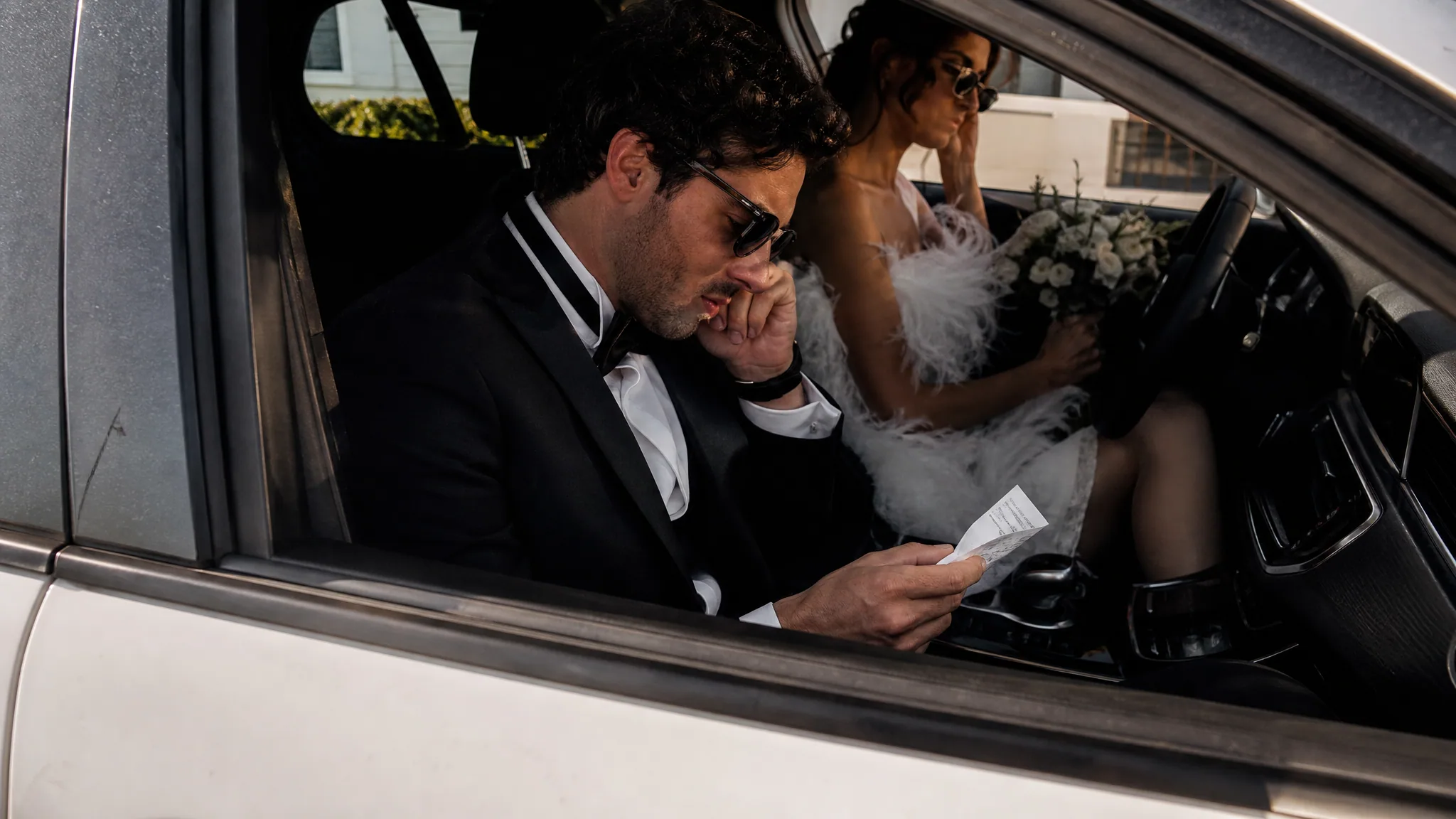
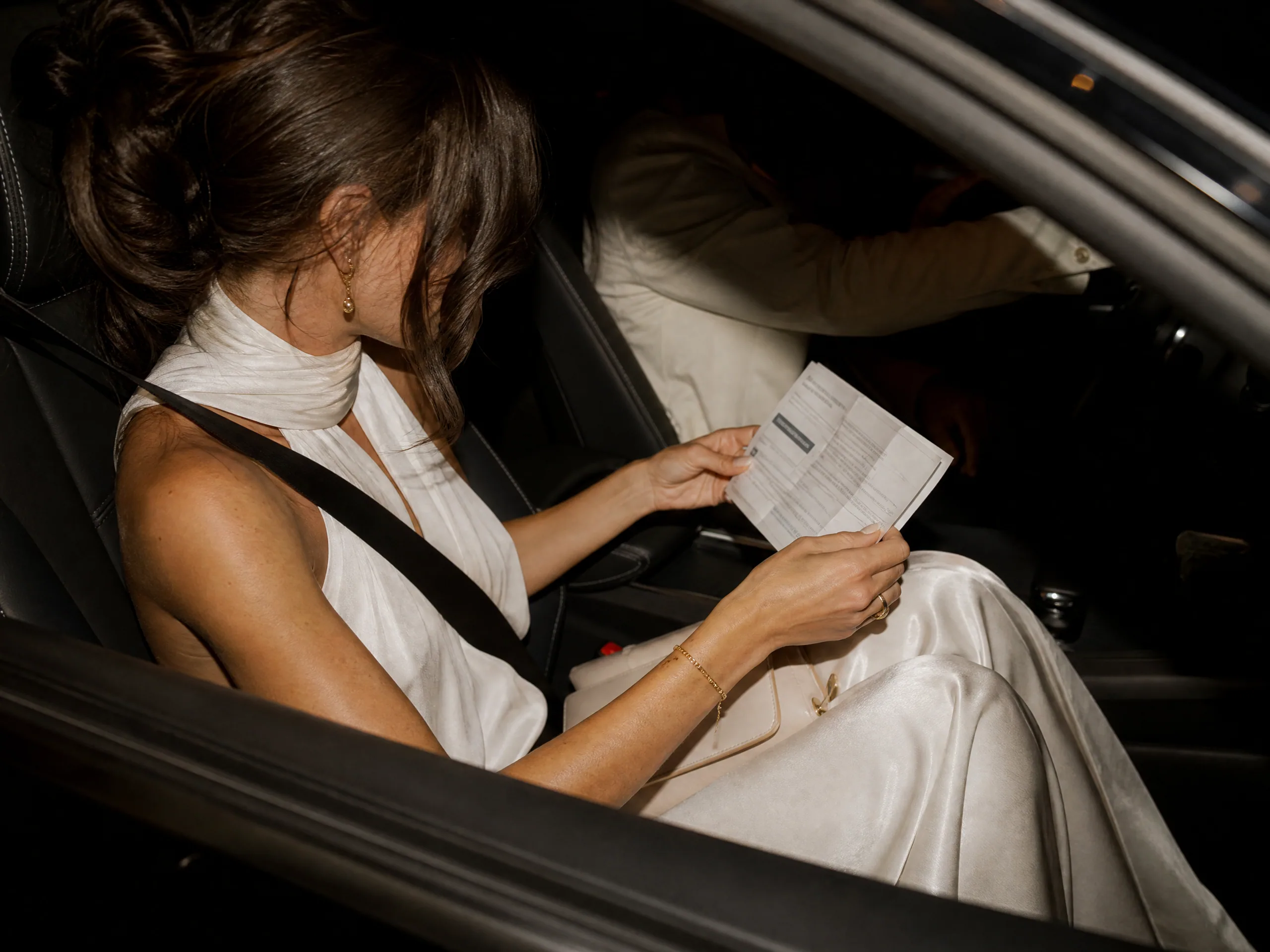
Spanish authorities typically identify the vehicle plate first. The rental company then names the contract holder or additional driver and may charge an admin fee on top of the fine. Notices can arrive weeks or months later by email or card charge—long after guests have flown home. Couples who put the master rental on one credit card should expect that card to receive the first bill unless the agency was given the actual driver’s details. Capture who drove which car each day in a simple shared note.
Who Pays: Driver, Couple, or Credit-Card Holder
Decide payment responsibility before keys are handed over. Best practice: each guest household rents on their own card, lists themselves as main driver, and accepts their own multas. When the couple sponsors a shared people-mover, document the primary driver in writing and agree that driver-caused fines are reimbursed to the couple within a set window. Do not leave this vague—post-wedding friendships fray over unexpected €100–€300 charges plus agency fees.
ZBE, Peaje, and Radar: Keep the Briefings Separate
Low-emission zones, toll tags, and speed cameras are three different systems. Guests who already read your ZBE and peaje notes still need a radar paragraph; compressing everything into one “driving in Spain” blob gets skimmed. Keep radar messaging about posted limits and delayed multas; keep ZBE about access stickers and city cameras of another kind; keep peaje about Via-T and cashless lanes. Separate bullets land better in a WhatsApp pin.
Rural Estate Roads and Night Returns After Reception
Single-track estate roads rarely have fixed radars, but the connecting provincial roads often do—especially near junctions and villages. After a late Spanish dinner and open bar, designate sober drivers or pre-book night shuttles rather than relying on “it’s only fifteen minutes.” Fatigue plus unfamiliar left/right cues and poorly lit speed-limit changes is a classic wedding-weekend risk. KUDRYA Studio prefers shuttle loops for the main party nights and reserved rental cars for sober daytime logistics only.
How to Message Guests Without Sounding Alarmist
Use calm, operational language: “Spanish roads use fixed and average-speed cameras. Stick to posted limits even when traffic feels empty. Rental multas can arrive weeks later on the card that signed the contract.” Avoid fear essays about points systems foreign guests do not hold. One welcome-guide bullet plus one WhatsApp reminder the morning of any self-drive outing outperforms a long email nobody reads on the flight.
Planner Checklist for Couples and Hosts
Confirm which cars are couple-sponsored vs guest-owned rentals. Collect main-driver names and emails for every shared vehicle. Add a three-line radar note to the guest PDF. Prefers shuttles for ceremony-to-reception and late-night returns. Remind navigators to watch limit changes into towns. After the weekend, watch rental statements for 60–90 days. KUDRYA Studio’s rule: driving briefings should feel boring and complete—so the only surprises left are good ones on the dance floor.