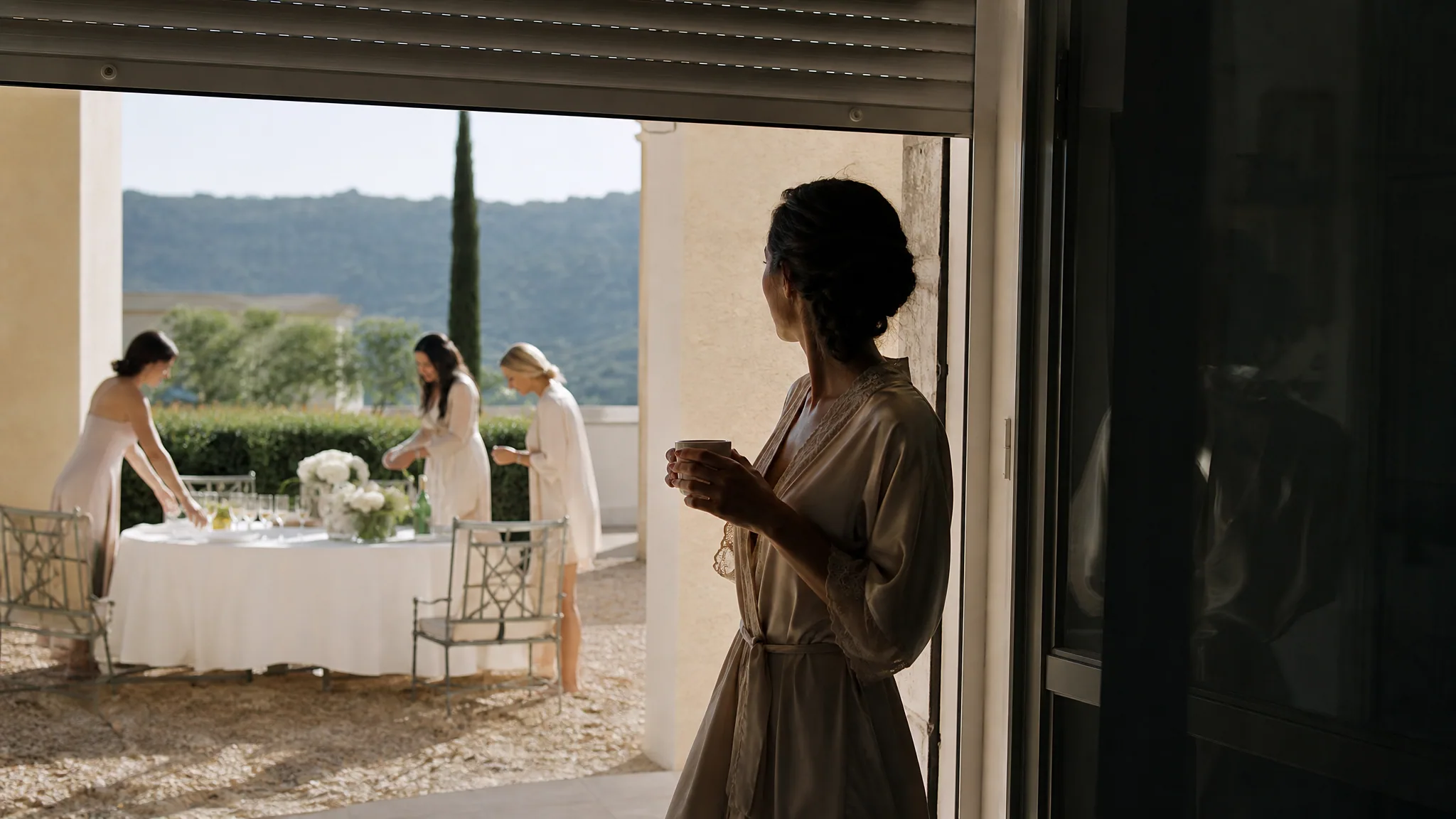
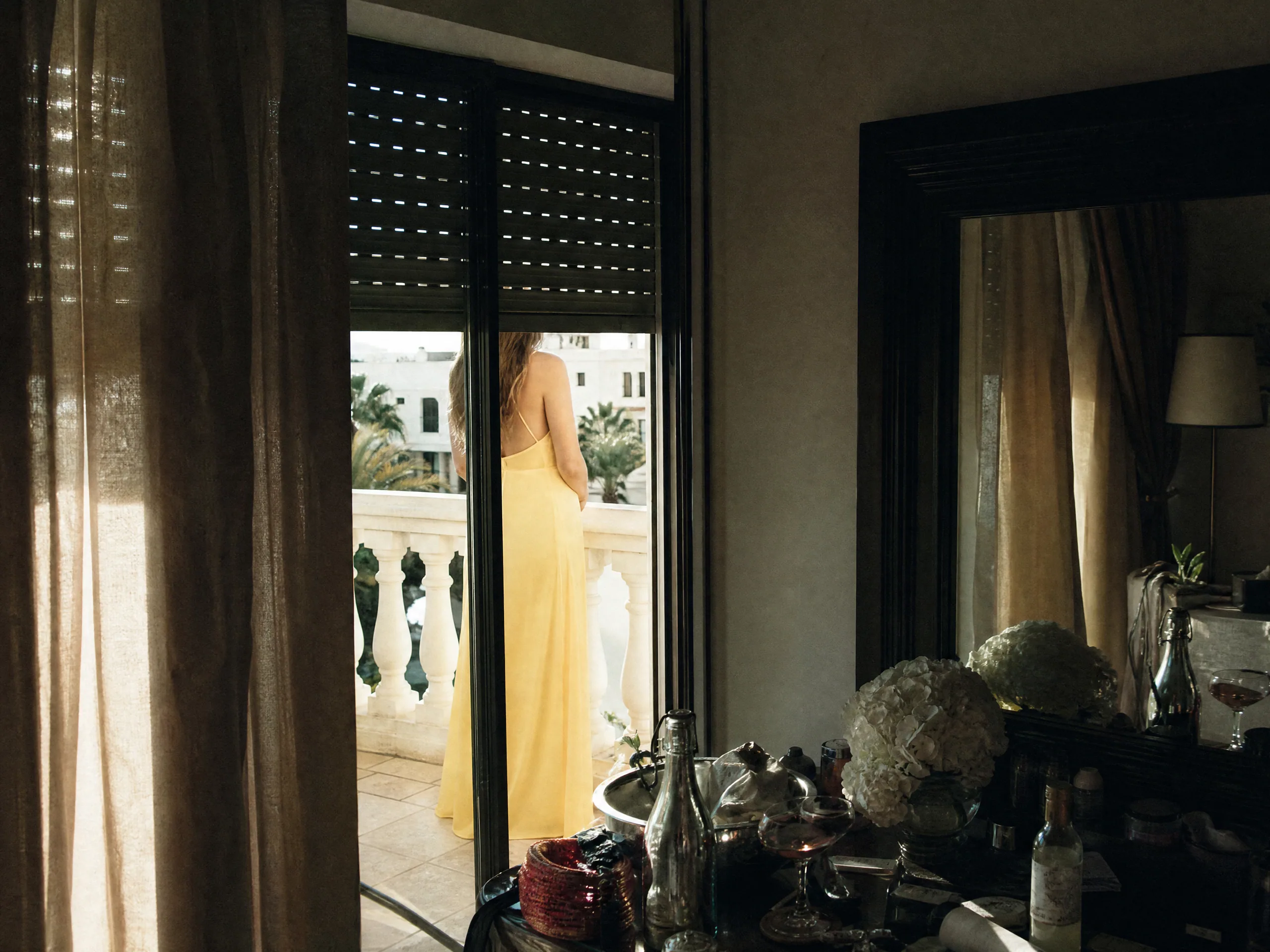
Spanish rental villas and coastal apartments often come with heavy rolling shutters that international guests mistake for optional décor. In heatwave weekends and early-ceremony timelines, those persianas are the difference between sleeping through midday glare and waking up drained before hair-and-makeup call times. A short guest briefing on how to raise, lower, and respect shared shutter etiquette keeps rooms cool, neighbors calm, and the wedding WhatsApp free of “why is it still dark in here?” messages.
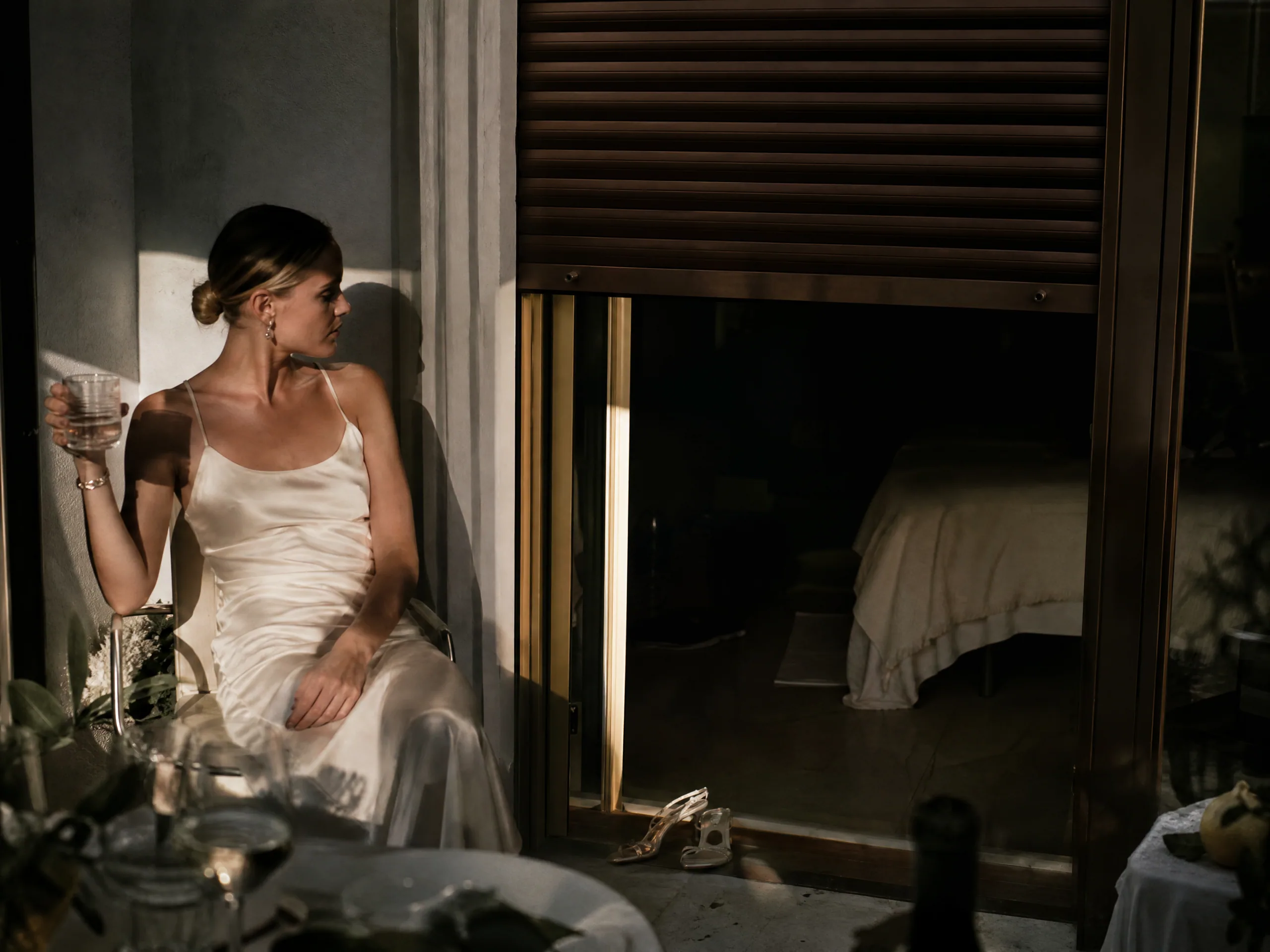
Why Persianas Matter on Spanish Wedding Weekends
Destination houses in Spain face strong morning light, long afternoon heat, and late dinner schedules that push guests to sleep past sunrise. Without a clear shutter plan, one roommate leaves the persiana sealed while another opens everything for coffee photos—then the whole villa heats up before anyone leaves for the ceremony. Treating shutters as shared climate control, not personal preference, protects energy, privacy, and nap windows between welcome drinks and the big day.
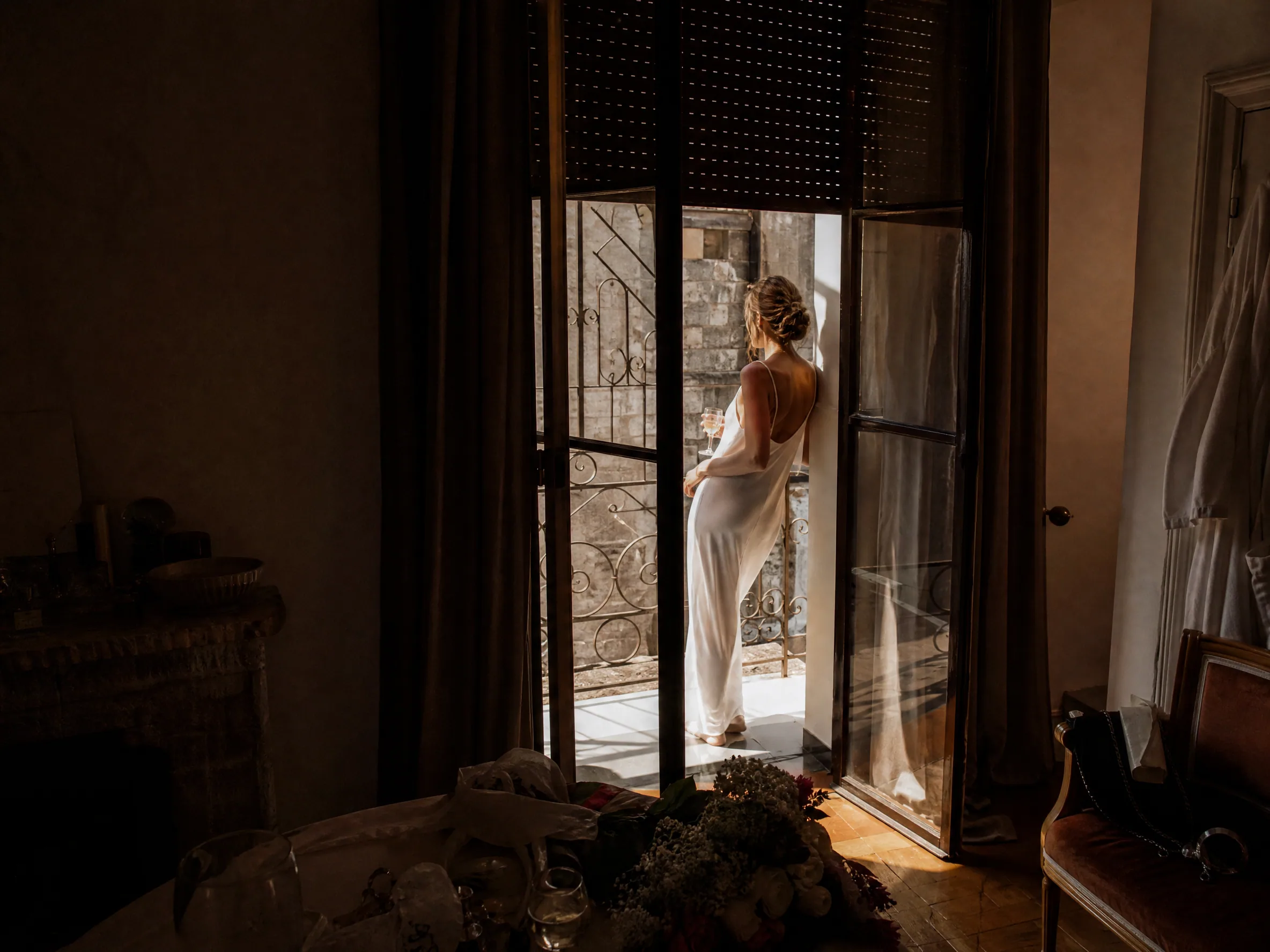
Persiana vs Cortina vs Estor
A persiana is the exterior or window-integrated rolling shutter, usually plastic or aluminum slats on a strap, tape, or motor. Cortinas are fabric curtains; an estor is a roller blind. Guests from hotels with blackout drapes alone often ignore the shutter and fight heat with the air conditioner all day. Brief the house: lower persianas for heat and sleep, use cortinas for soft privacy, and do not force a stuck strap—ask the villa host before anything breaks on Friday night.
Manual Straps, Cintas, and Motorized Remotes
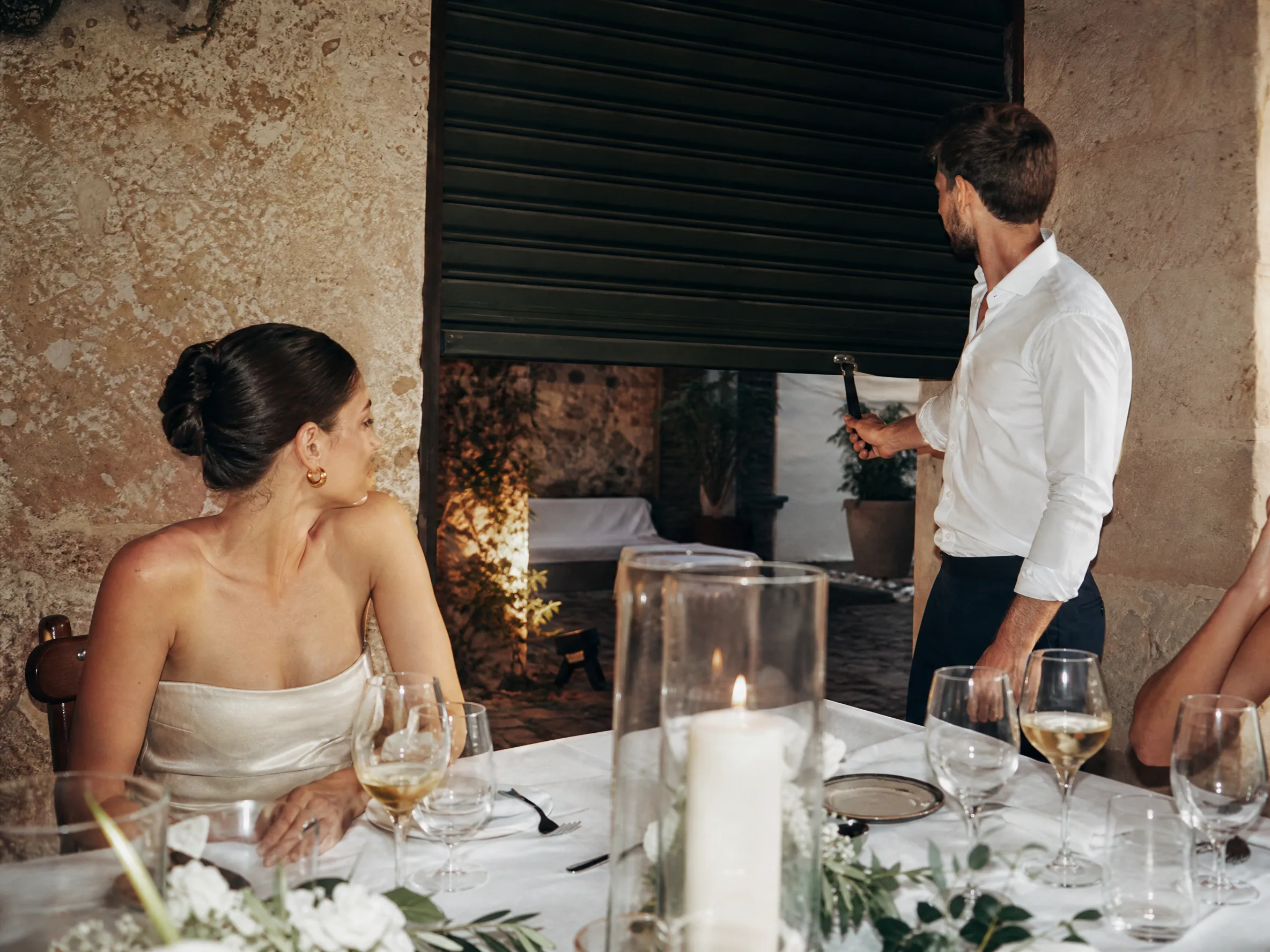
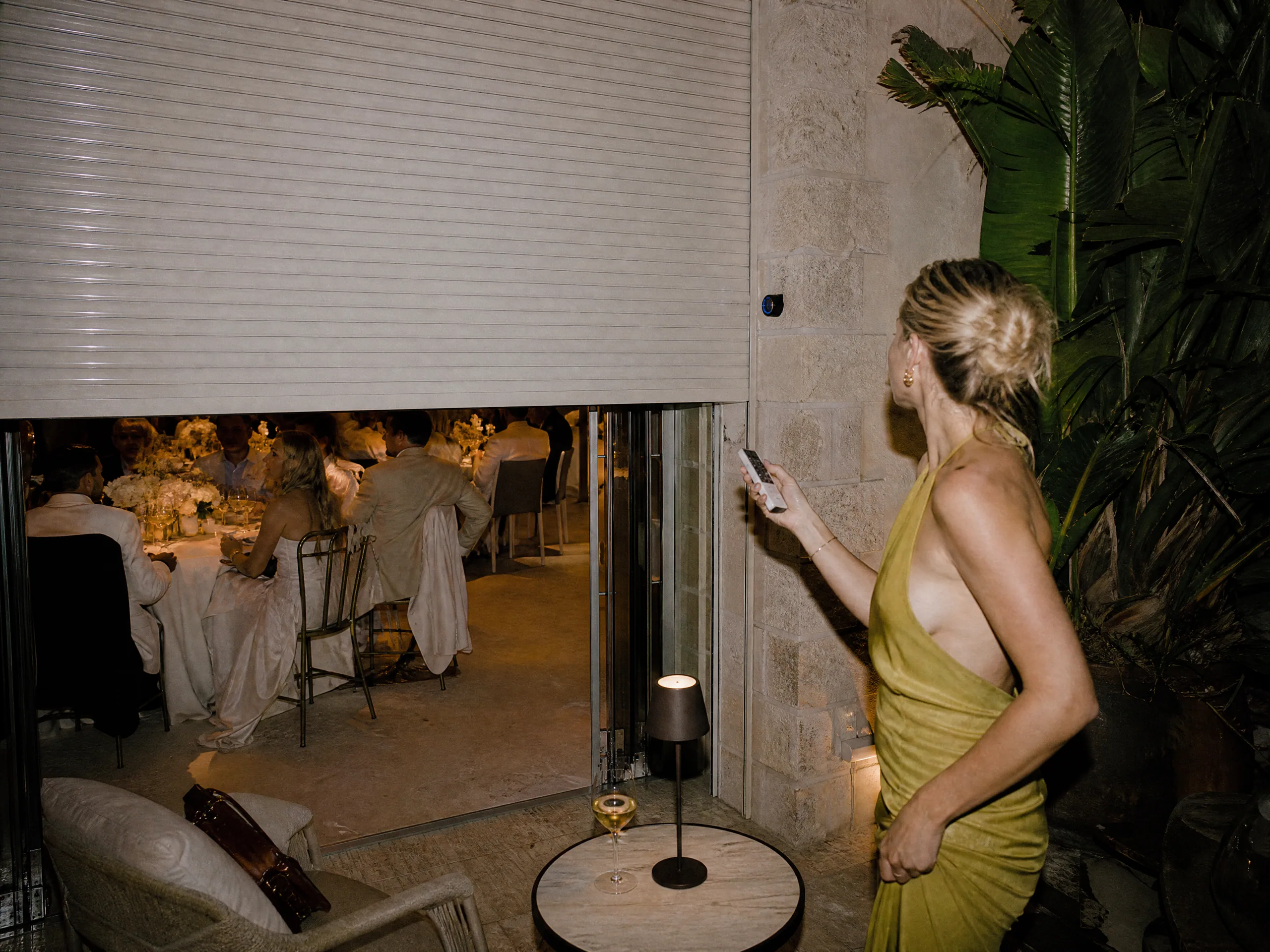
Many fincas still use a pull strap or cinta beside the window. Pull smoothly and stop if resistance spikes; yanking can snap the tape inside the cassette. Newer apartments may include a wall switch or small remote—label remotes in the welcome note so guests do not confuse shutter controls with AC or gate fobs. If a motor hums but the shutter does not move, stop and message the host rather than holding the button until something burns out mid-weekend.
Morning Light, Siesta Blackout, and Ceremony Call Times
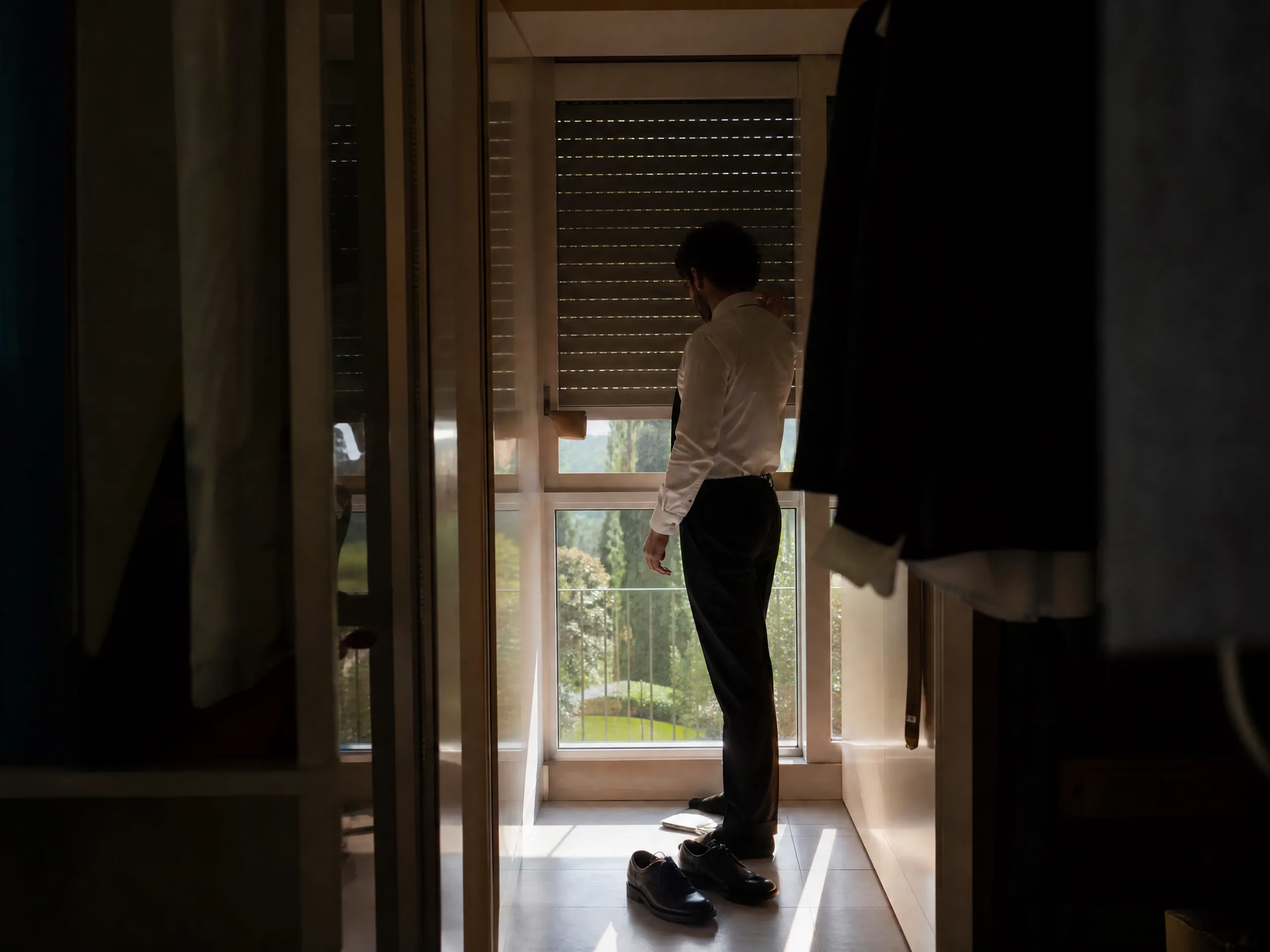
Agree on a house rhythm: cracked or raised persianas for breakfast and getting ready; sealed for afternoon siesta after long travel days; partially open for golden-hour photos if the couple wants natural light in shared rooms. Put call times on the wedding website so guests know when rooms need to be bright for dress steaming and when blackout matters more than Instagram daylight. Overnight travelers recovering from jet lag especially need sealed shutters until a set wake-up ping.
Heat Control Before You Touch the Aire Acondicionado
Spanish summer logic is simple: block sun first, cool second. Lowering persianas on sun-facing façades before noon often keeps bedrooms usable without blasting every AC unit in a shared villa. That matters when electrical panels trip, pool heat already loads the system, or the urbanización has quiet-hour expectations for outdoor compressor noise. Pair shutter discipline with short AC bursts rather than leaving every door open and every remote on sixteen degrees.
Shared-Villa Etiquette and Neighbor Noise
Rolling shutters can rattle. Early risers should raise them gently after 8:00 local time unless the house has agreed otherwise—especially in attached townhouses or apartments with horario de silencio nearby. Late arrivals should not slam straps at 1:00 a.m. after the welcome dinner. If a shutter is noisy on windy nights, leave a small gap rather than forcing a full seal that vibrates the frame and wakes the bridal party next door.
Security, Ground-Floor Windows, and Empty-House Hours
When the whole group leaves for the ceremony or a beach lunch, ground-floor persianas should come down even if cortinas stay decorative. Spanish hosts often expect this as basic security hygiene, not paranoia. Brief guests not to leave balcony doors ajar “for airflow” behind open shutters on street-facing rooms. For lockbox villas without on-site staff, a two-minute shutter sweep before transfers beats a stressful return to find rooms oven-hot—or worse, exposed.
Kids’ Rooms, Blackout, and Baby-Nap Windows
Families traveling with little ones need reliable blackout for jet-lagged naps between events. Assign one adult to check kids’ persianas before the group heads to rehearsal dinner, and keep a spare blackout clip or towel method only as backup—not as the primary plan on a bright Mediterranean façade. Note any rooms where shutters do not fully meet the sill so parents can request a quieter interior room at booking time, not at 22:00 on Friday.
What to Put on the Wedding Website
Add a one-screen “villa shutters” note: what a persiana is, how the strap or remote works, when to lower for heat, when to raise for getting ready, and who to contact if a shutter sticks. Link it beside grocery, ice, and quiet-hours briefings so international guests treat climate and sleep logistics as part of the weekend kit. KUDRYASTUDIO couples who brief these domestic details early spend less energy on house triage and more on the celebration itself.