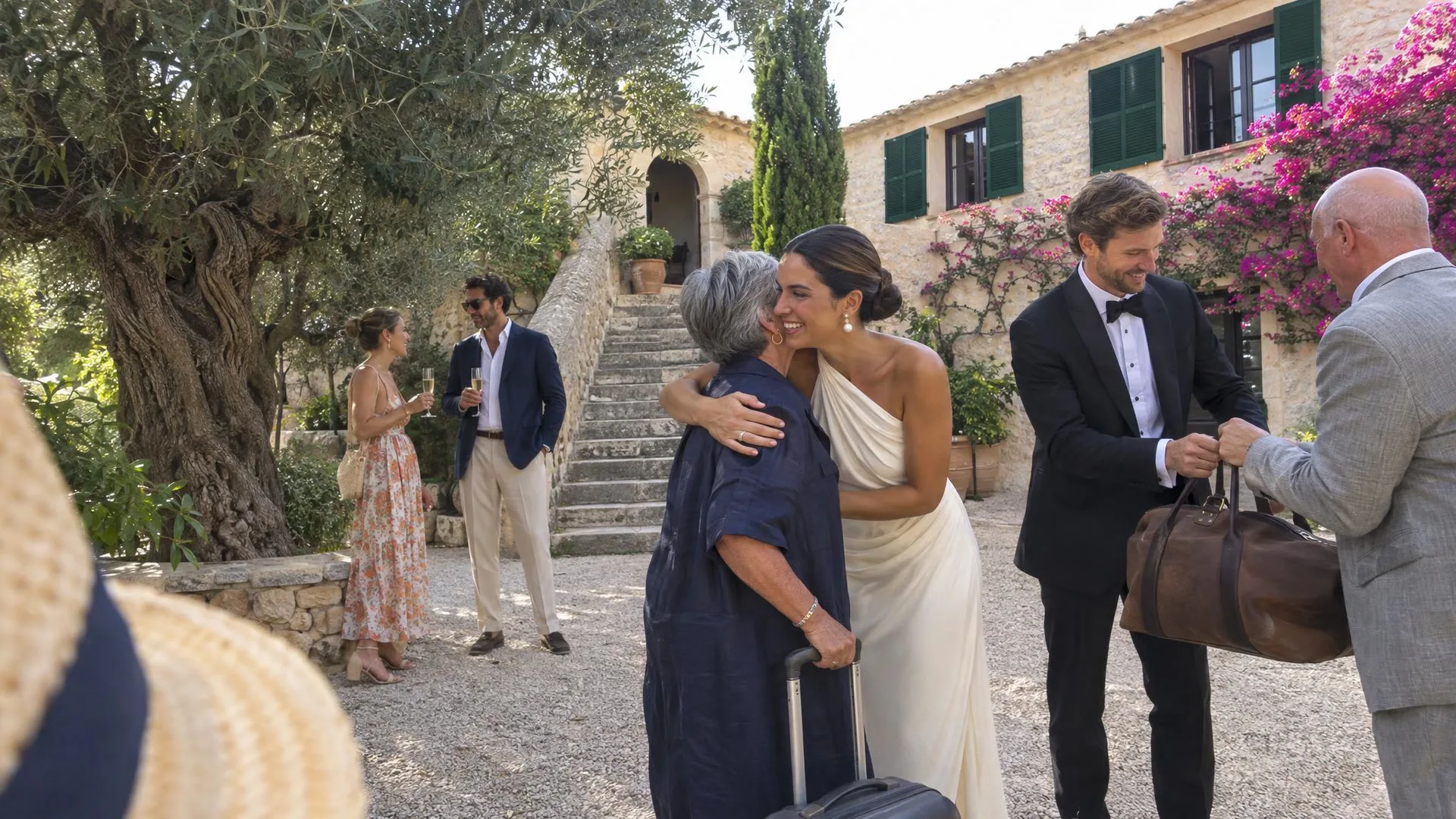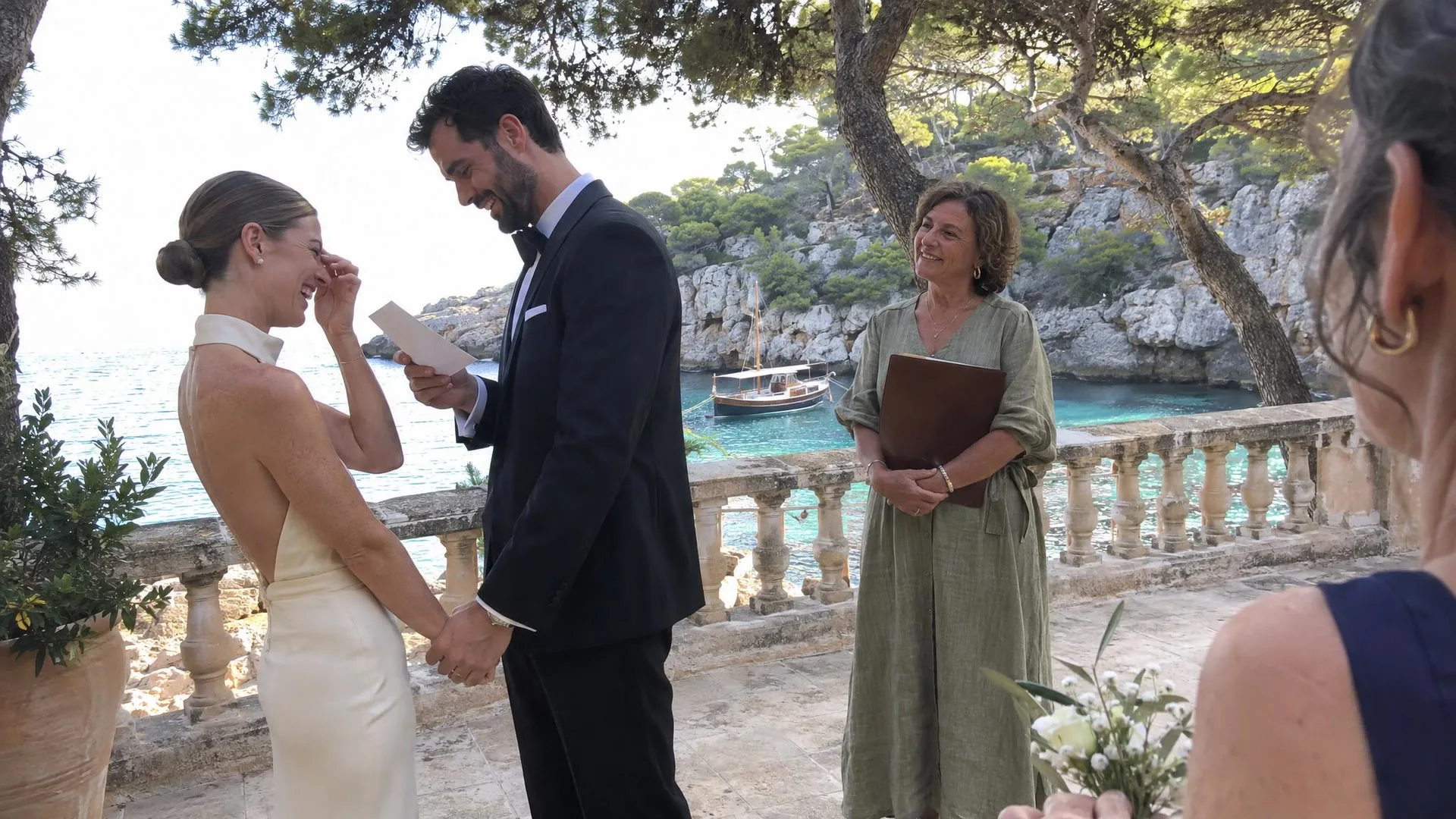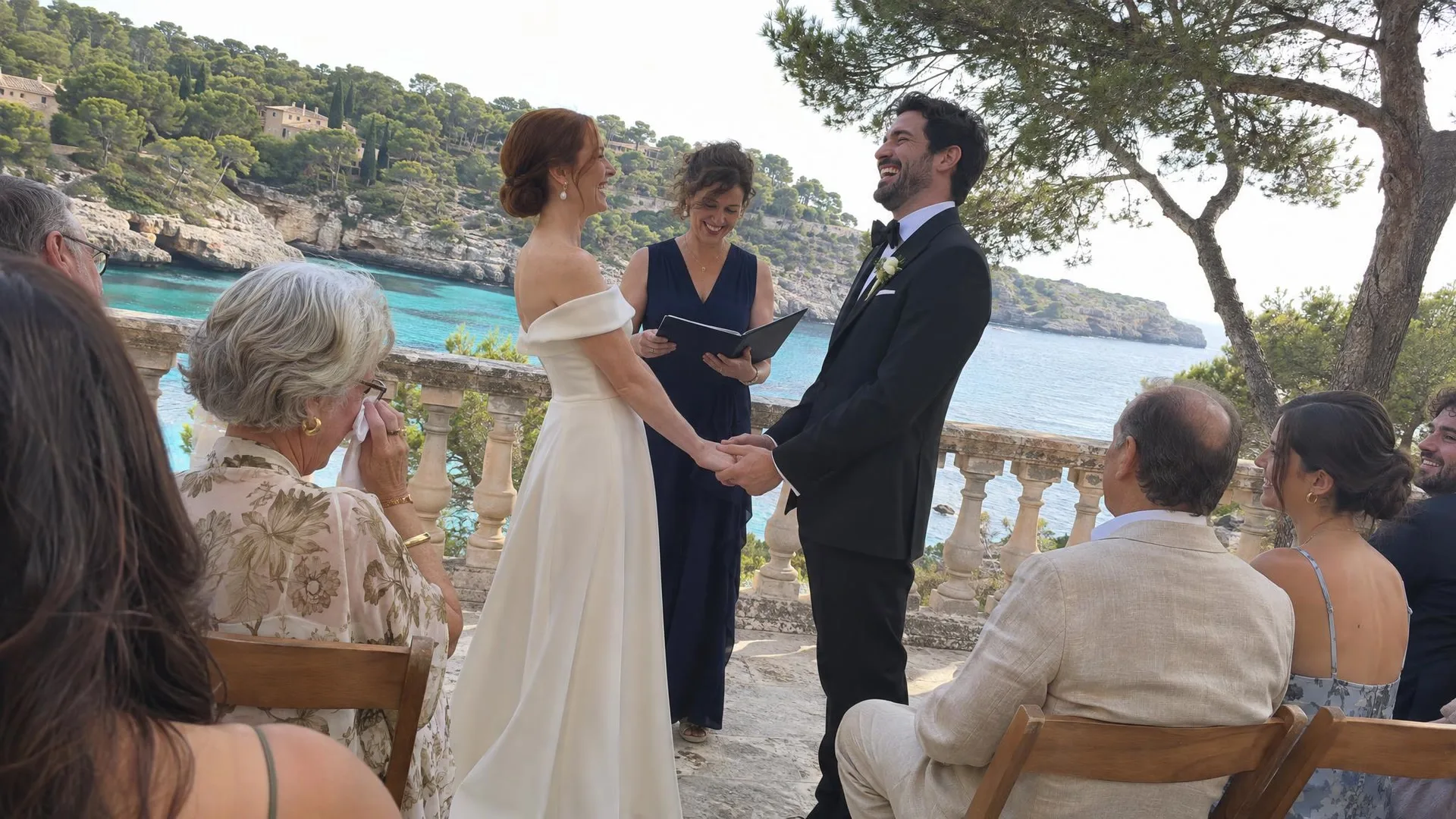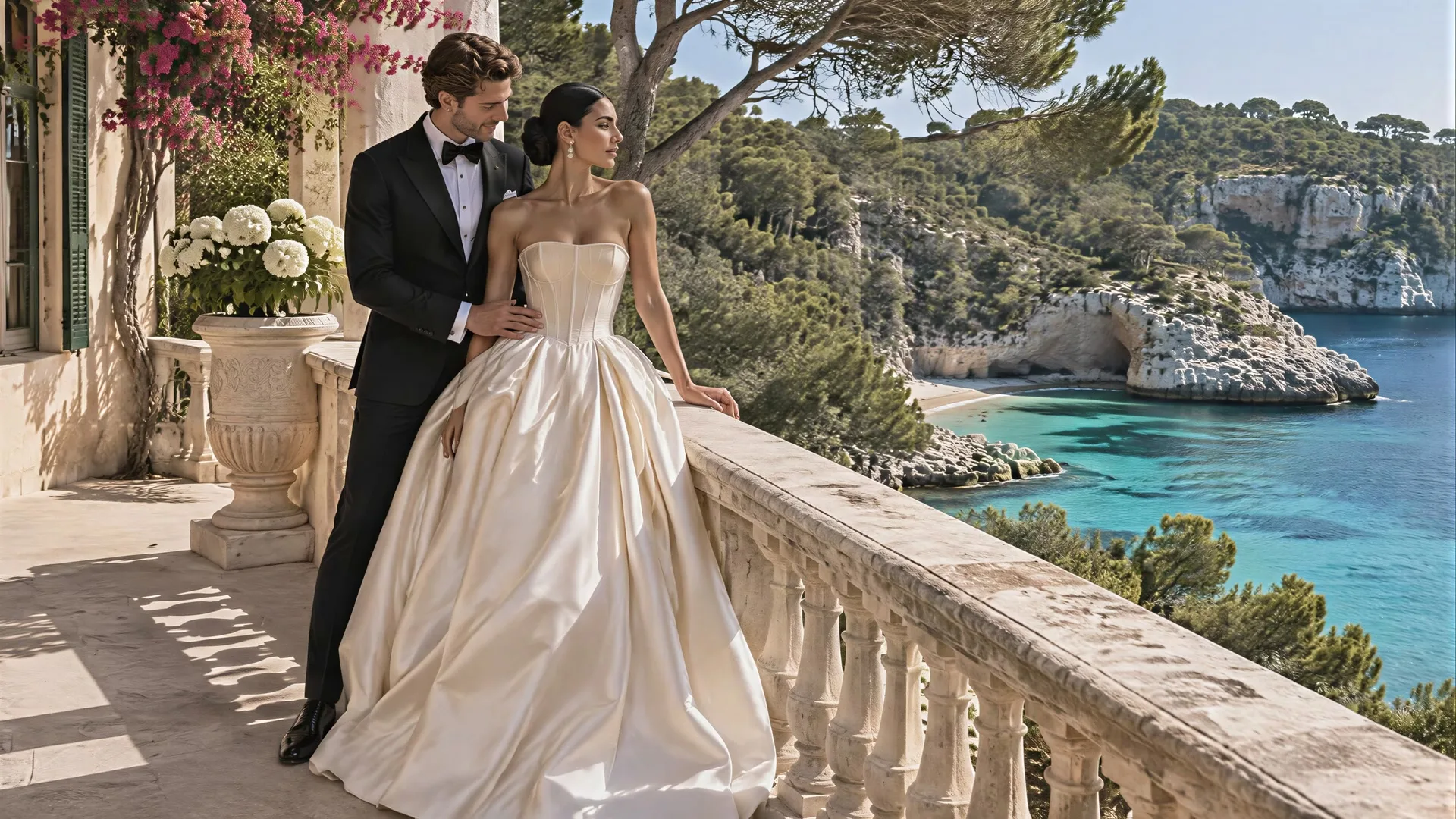
Every wedding budget turns into the same argument at some point: where do we spend, and where do we save? Couples planning a destination wedding in Spain feel it twice, because flights, a weekend programme and a venue far from home already take a big slice before the fun decisions start.
A recent planning thread asked newly married couples one simple question: what was worth every penny, and what was a waste of money? Close to a hundred and fifty replies came in, and a smaller thread a week earlier asked the same thing about what to keep and what to skip. The answers were refreshingly honest. Nobody agreed on everything, but a clear pattern came out of them, and it matches what we see at weddings across Spain.
This guide sorts that pattern into a practical splurge vs save list, adapted to how weddings actually run here: long dinners, late nights, hot afternoons and guests who have travelled to be there.
The rule underneath every answer
Read enough replies and one idea keeps coming back. Guests remember how the day felt: whether they ate well, had a drink in their hand, danced, and were looked after. Couples remember how it felt and what they can still see and hear afterwards. Almost nobody remembers what the napkins looked like.
The second idea surprised some readers. Several people said their real waste of money was not one item, but every place where they went for the cheapest option. A coordinator with no experience, a friend doing the music for free, a supplier chosen only on price. The money was spent, and they still did not get what they needed. The lesson was not "spend more on everything". It was: either do something properly, or drop it completely.
Worth splurging on
### Food and drink, served well
This was the most repeated answer. Good food, enough of it, and an open bar or at least a free drink option for everyone. In Spain this fits naturally. Most venues price a barra libre by the hour after dinner, and a long, generous dinner is expected. If you have to choose, spend on the food and the bar before you spend on how the tables look.
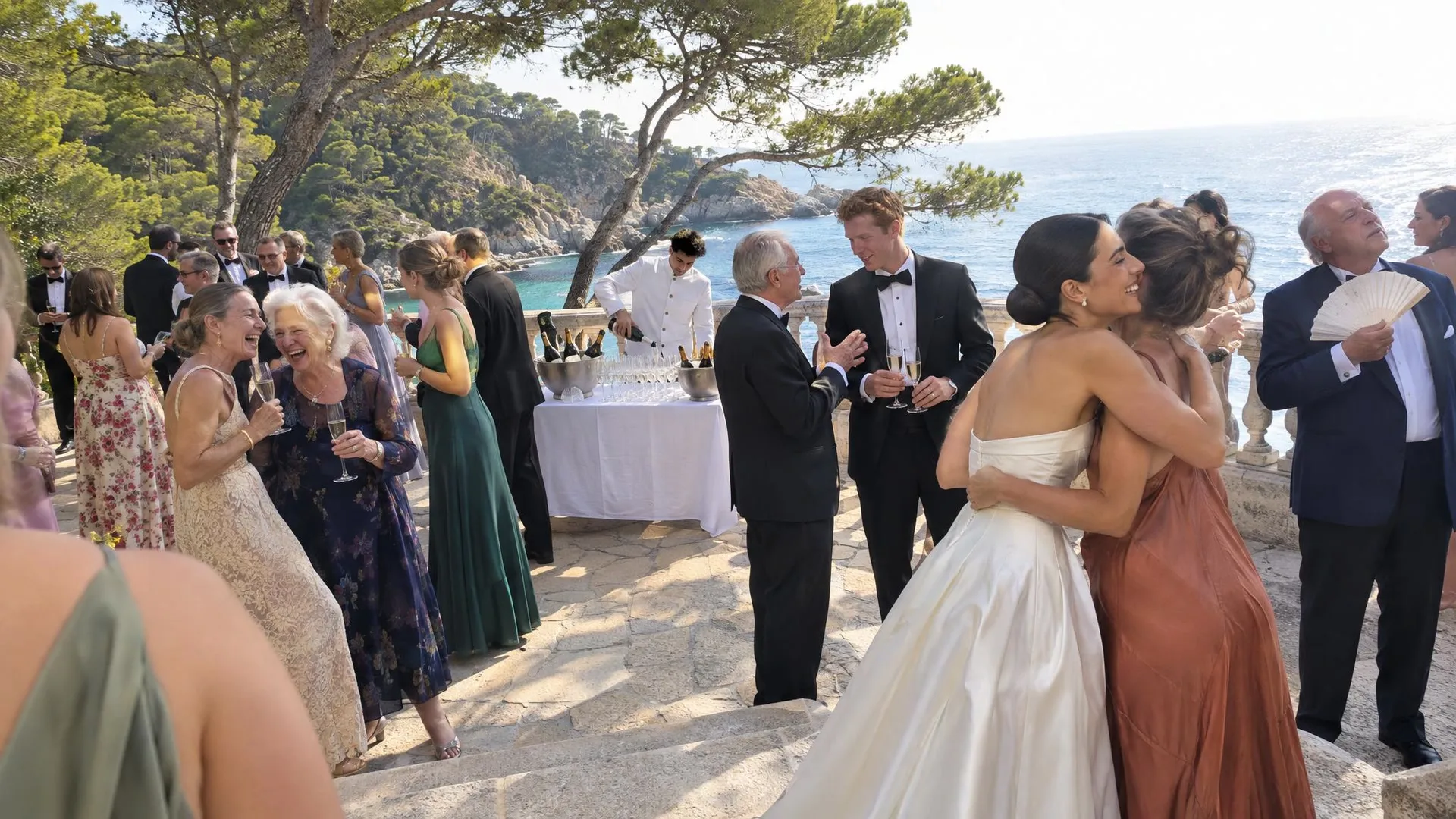
A related favourite: drinks waiting for guests before the ceremony. One couple served bubbles half an hour before the vows and said it got everyone there on time and talking. On a hot Spanish afternoon, cold cava, water and some shade do the same job and feel like a real welcome.
### Music that fills the dance floor
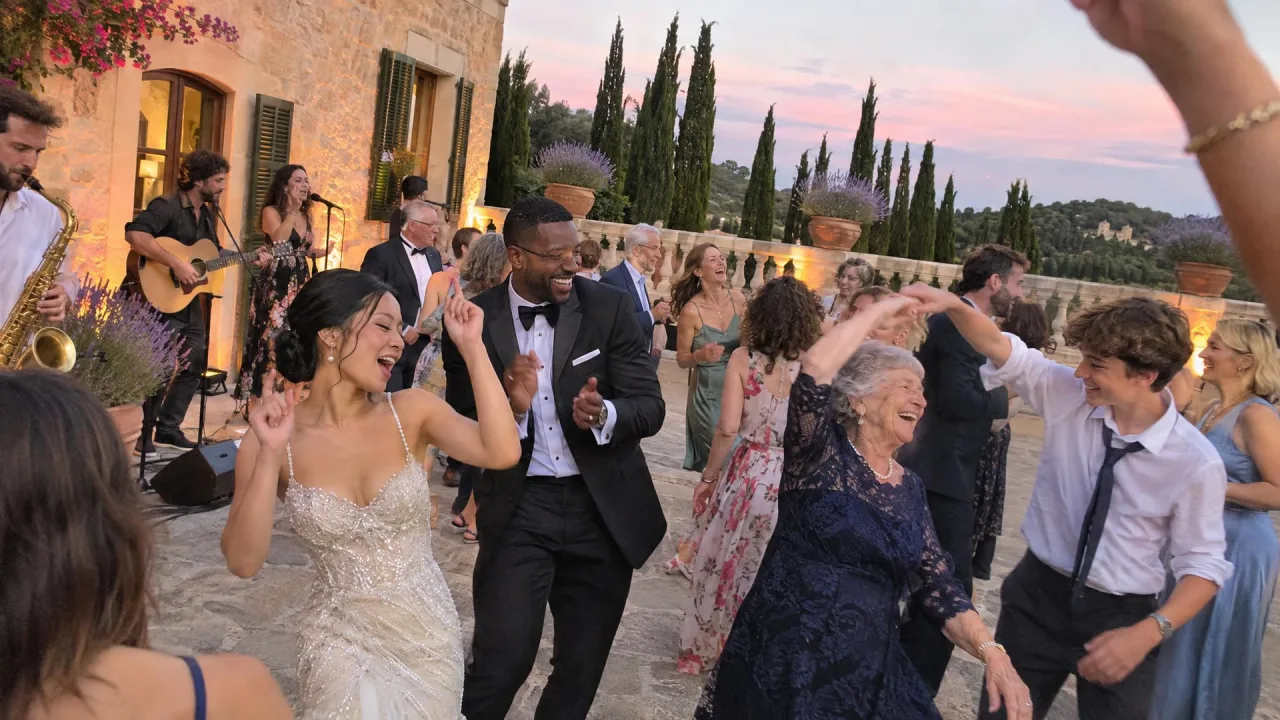
Live musicians got some of the most enthusiastic replies. Others pointed out that a great DJ beats an average band, so the real advice is to pay for whoever is genuinely good at reading a room. A few couples mixed both: a DJ with a live saxophonist or percussionist. Spanish weddings run late, often well past midnight, so this is hours of the night, not a short set.
### A coordinator who has done this before
The day-of coordinator split the thread more than anything else, but the split was telling. People who hired an experienced coordinator called it the best money they spent: someone who checks that the bride has her bouquet, feeds the couple, and fixes problems before anyone notices. People who hired the cheapest option they could find often called it their biggest regret. For a wedding you are planning from abroad, an experienced local coordinator matters even more. Our guide to day-of wedding coordinators in Spain explains what to ask.
### Extra time
Several couples paid for an extra hour or two at the venue and had no regrets at all. In Spain the evening is the best part of the day, and being rushed out at the peak of the party is a common complaint. Check closing times and music curfews before you sign, and build some slack into your wedding day timeline.
### Late-night food
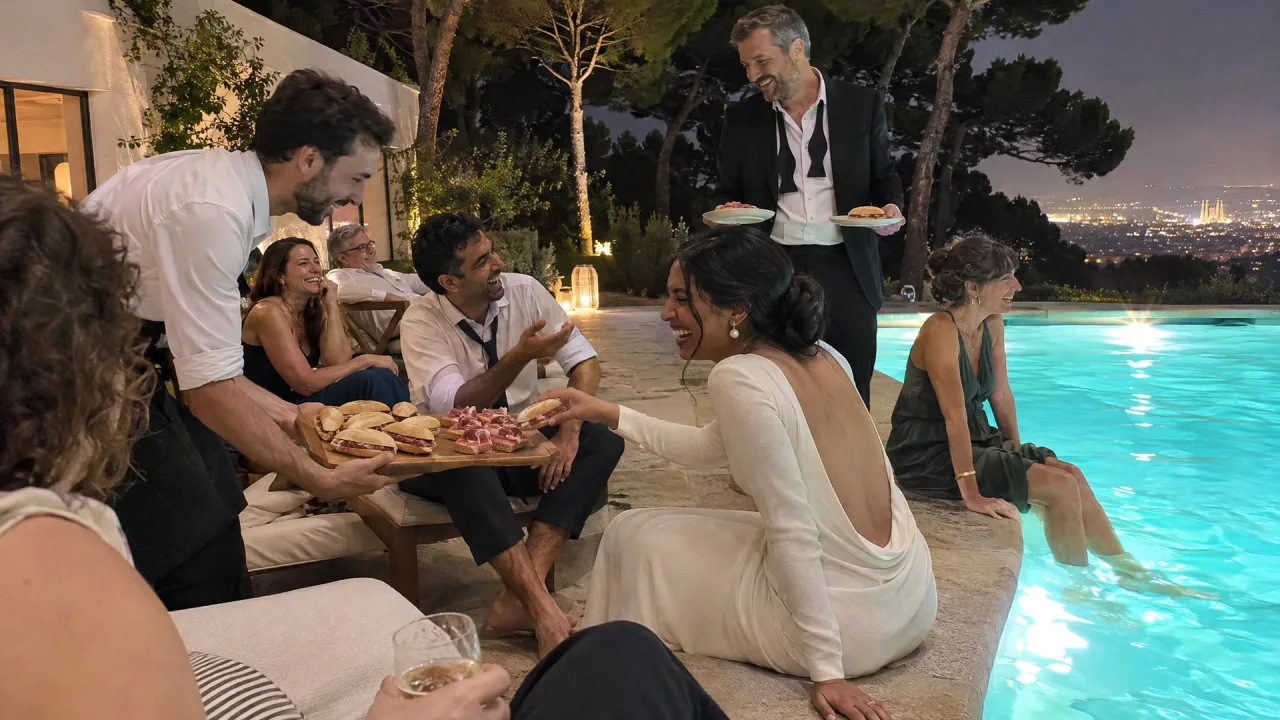
A late snack station "revived everyone", according to one reply, and many agreed. Spain already has a name for it: the recena, a second round of food around midnight. Simple things work best. Bocadillos, pan con tomate, croquetas or a few pizzas, brought out when the dancing has been going for an hour.
### Things that let people come at all
Two replies stood out. One couple paid for on-site childcare so that parents could actually attend, and called it worth every penny. Another arranged a boat to take guests between the ceremony and the party. At a destination wedding the equivalent is transport: a coach from the hotels to a finca in the hills, and back again at two in the morning. It is not glamorous, but it is the kind of spending guests notice. Our wedding weekend itinerary templates show where these pieces fit.
Where couples said they could have saved
- Place settings and table extras. Chargers, special glassware, coloured napkins and upgraded cutlery were the most common "nobody noticed" answer. Plain white linen and good candles were enough.
- Favours and merch. Personalised cups, stirrers and items with your names on them mostly mean something to you. A few people loved theirs, but most said guests did not care.
- Too many flowers. One bride said she held her bouquet for ten minutes and barely noticed the rest. In the Spanish summer heat delicate flowers also wilt fast, so a few strong pieces in seasonal blooms go further.
- Floor covers and staging. Unless there is a safety issue, nobody looks at the floor once it is dark and full of people.
- Activities. Claw machines, painters and photo stations rarely beat what guests actually came for: talking, eating and dancing.
- Pre-wedding extras. Engagement shoots were called a waste by some and a great way to get comfortable with their photographer by others. If you do one, make it useful, not just another set of images.
The split decisions
Some items had passionate fans on both sides, and that is fine. The dress: some brides spent a lot and never looked at it again, others say they love it every time they see the photos. The planner: invaluable for some, unnecessary for confident planners who only needed help on the day.
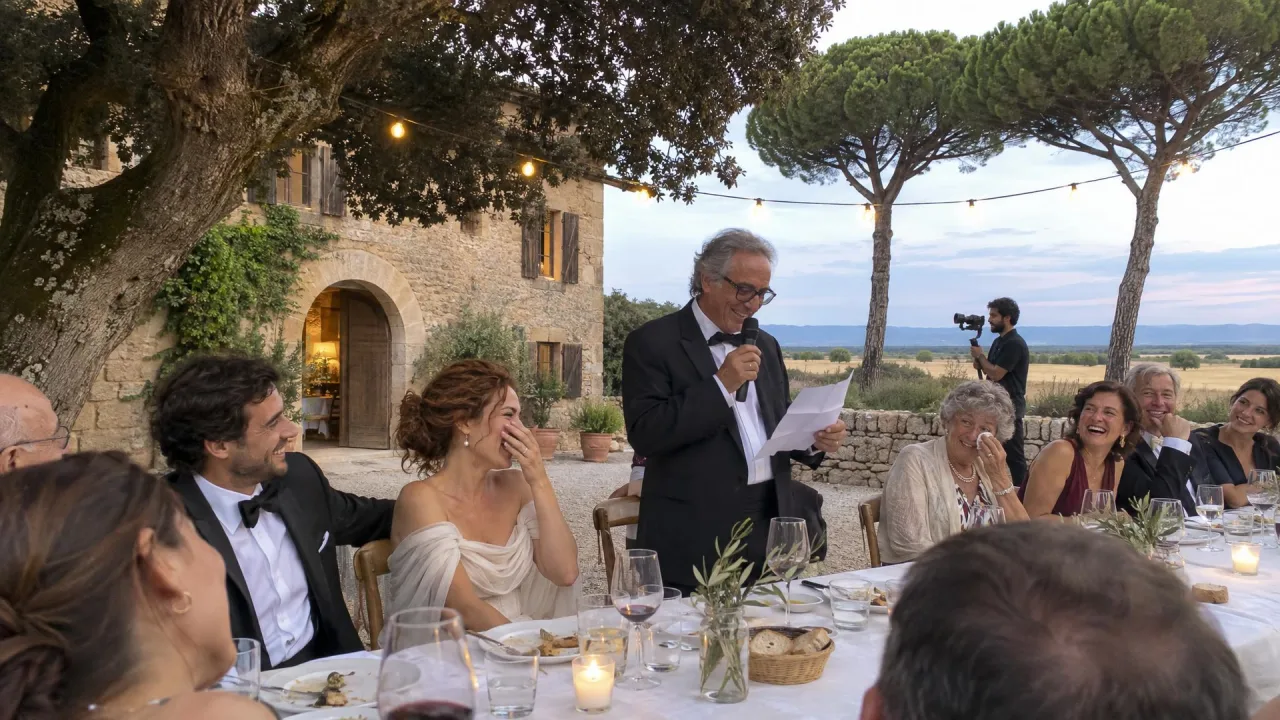
Video was one of these too. A few people said they had watched their film once and look at photos more. Others said it was their best decision, that they had watched it several times and kept spotting moments they missed on the day. The difference was usually about what the film contained. Couples who valued it most talked about voices, speeches and small moments between guests, not just pretty shots.
Where the film fits in a splurge vs save plan
If video is on your list, decide what you want from it and spend on that. If what you will treasure is the sound of the speeches and the vows, put good audio first. If you mostly want a short, beautiful record of the day, a smaller package with one camera operator may be enough.
As a reference, our documentary and cinematic wedding films in Spain start with Mini at €3,900 + VAT: up to six hours, one cinematographer, a 3 to 5 minute film, reels and the raw footage. Medium is €4,900 + VAT with two cinematographers, up to ten hours, a VHS camera and a drone. Full (€5,300 + VAT) and Full+ (€6,300 + VAT) add a pre-wedding session, edited speeches and a teaser, plus your choice of one Super 8 reel, about three and a half minutes of film, or a VHS camera passed between guests. Only Full+ includes the full ceremony and the day after. Travel and accommodation are quoted separately. You can compare everything on our wedding videography prices page, and our destination wedding budget for Spain puts these numbers next to the rest of the costs.
A quick splurge vs save checklist
- Spend first on food, drink and music: they decide how the night feels.
- Hire experienced people for the jobs that matter, or skip the role entirely.
- Pay for extra hours rather than extra decorations.
- Plan a recena for after midnight.
- Budget for transport and anything that lets key people attend.
- Keep tables simple and flowers seasonal.
- Skip favours and merch unless they mean something to you.
- Decide what you want to see and hear in ten years, and protect that.
If you are planning a wedding in Spain and want to talk about what is worth filming on your day, check your date with us.