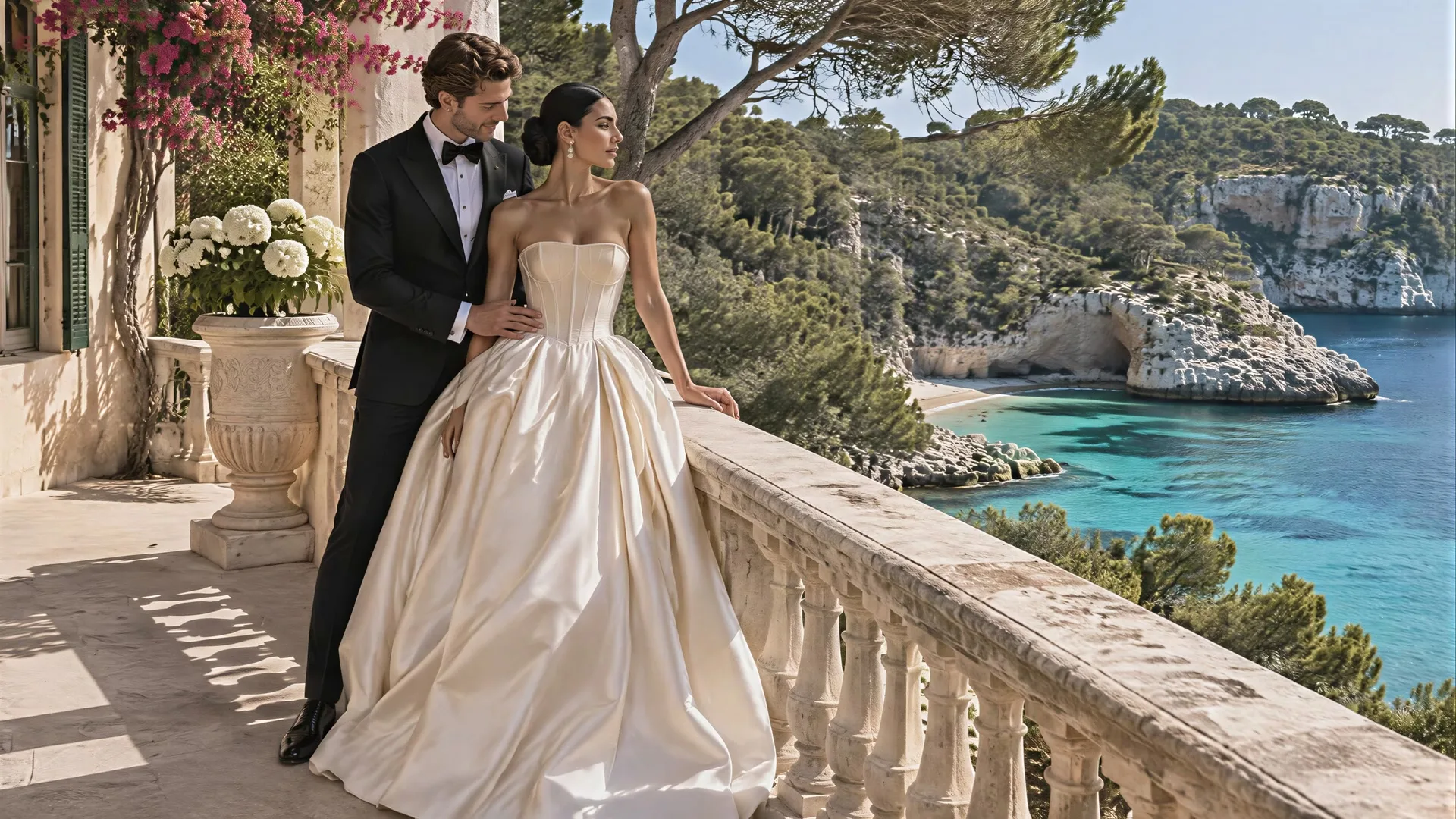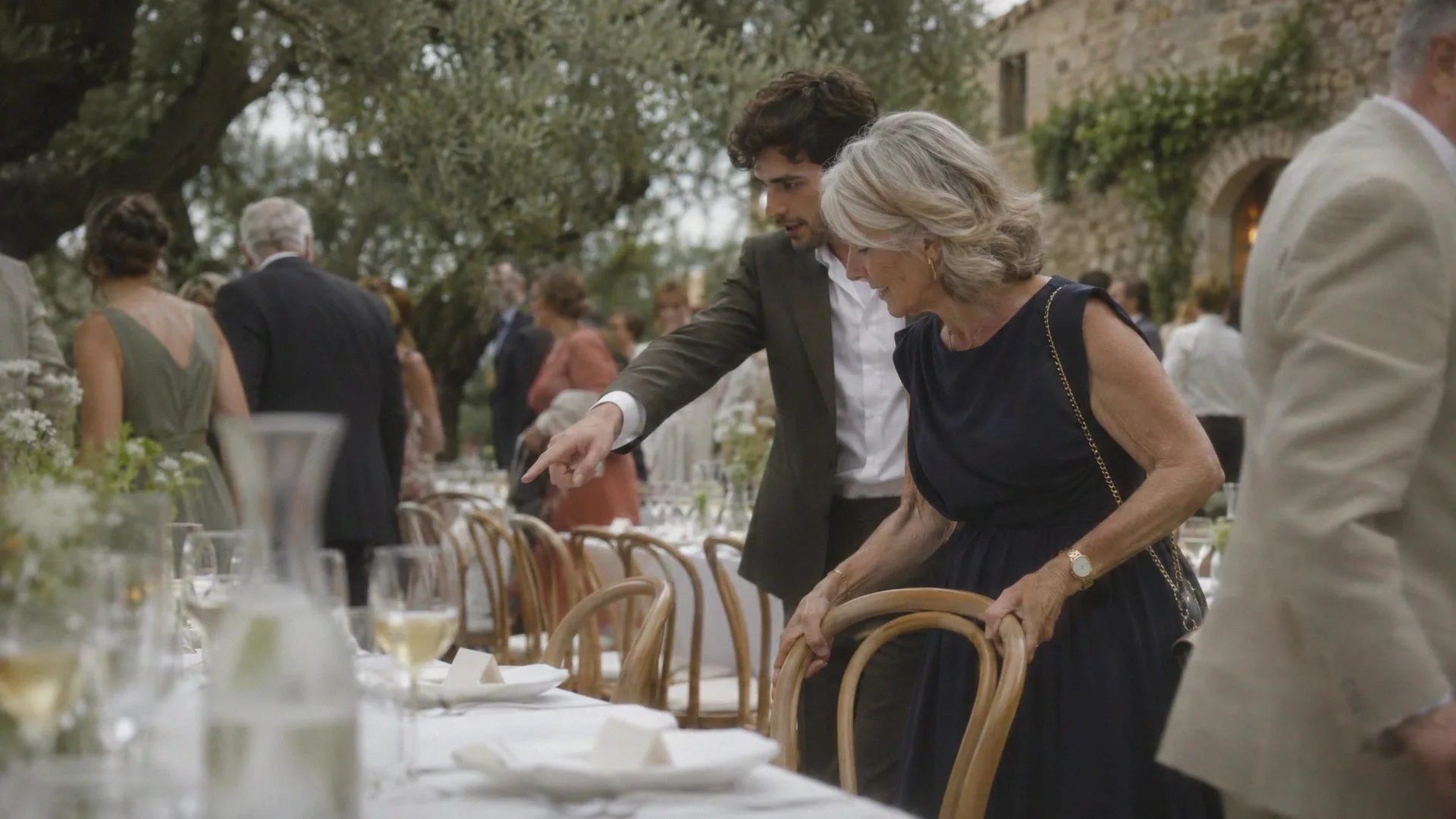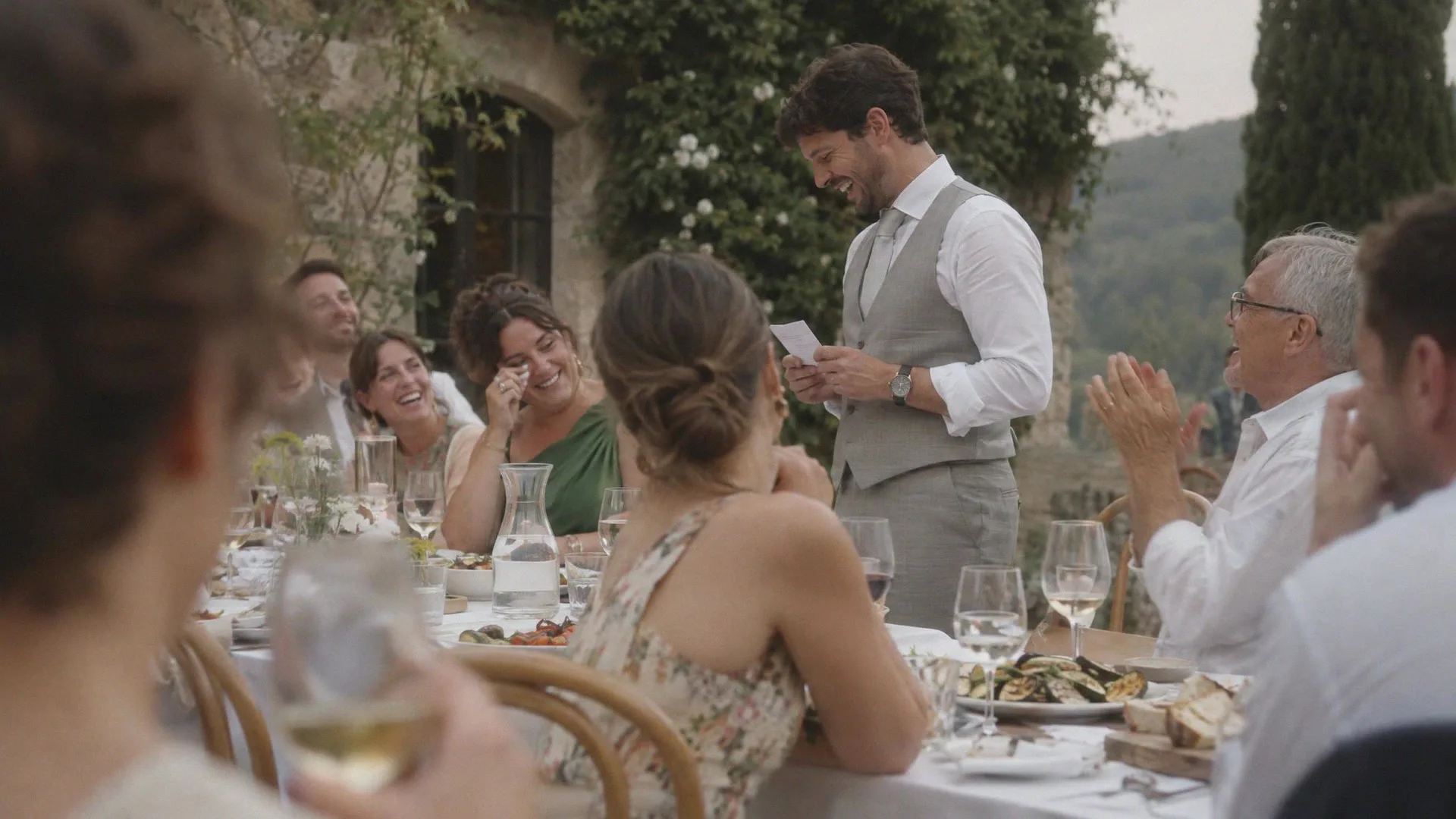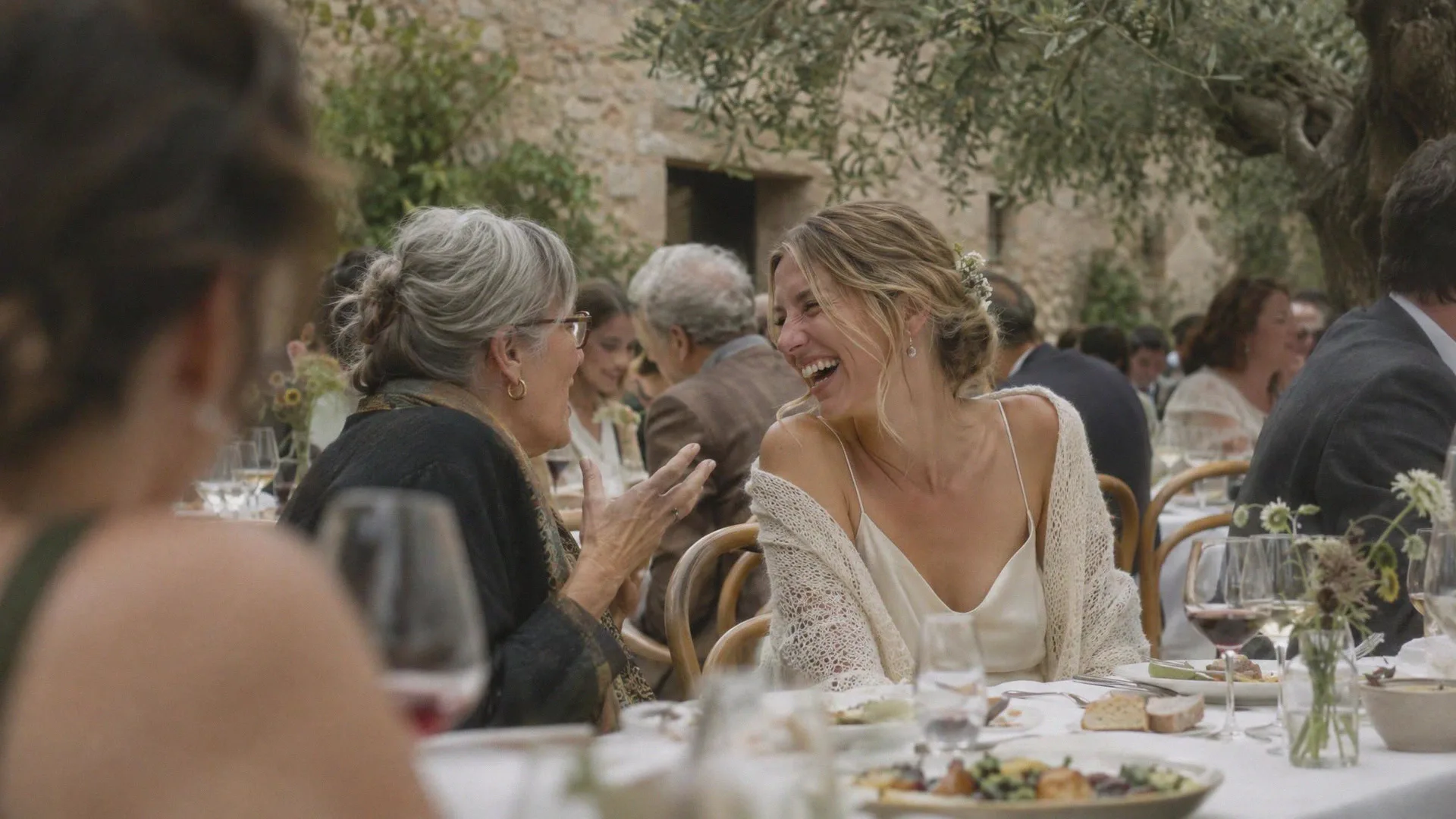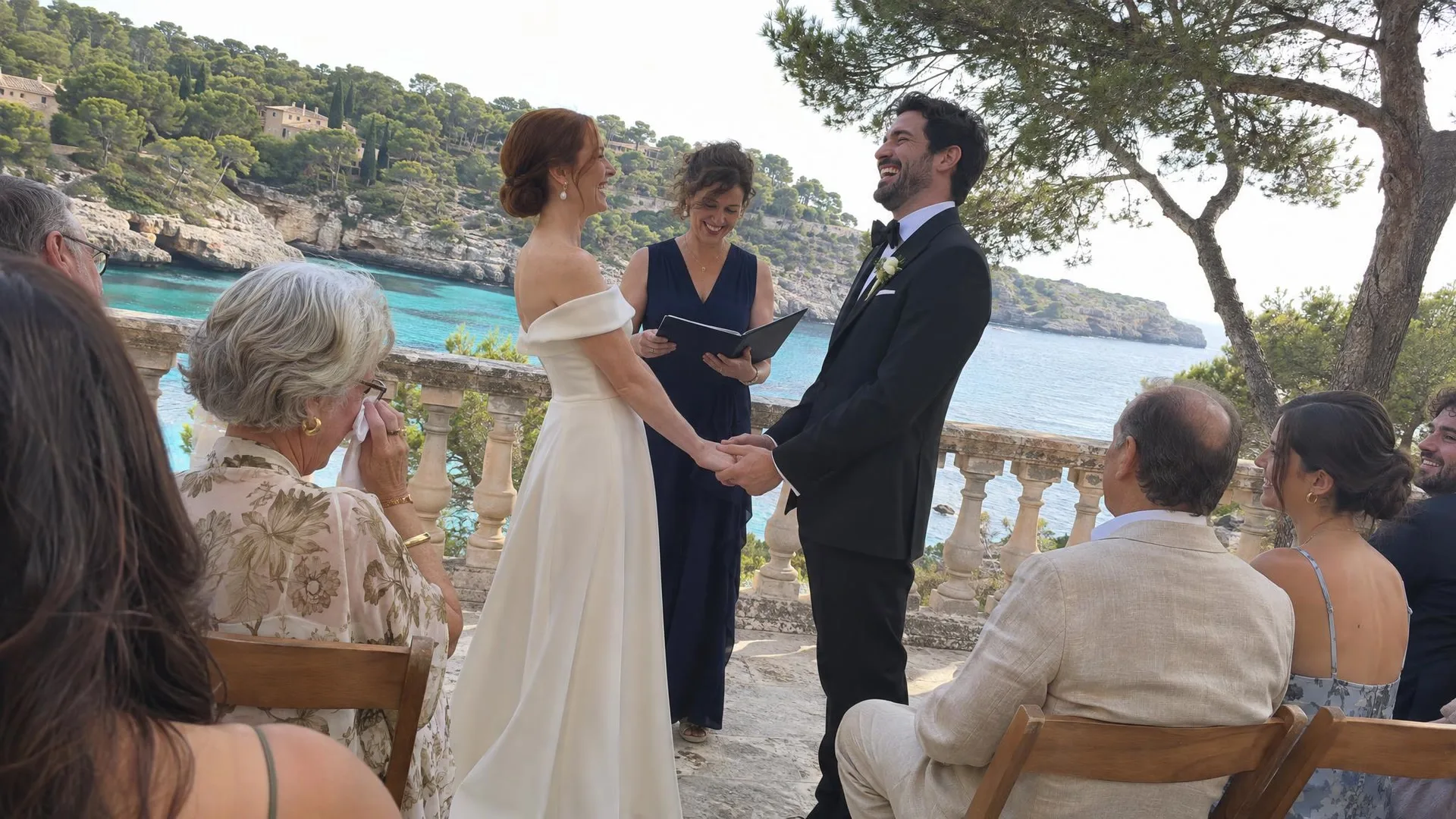
A small wedding in Spain sounds simple: fewer people, one beautiful place, a long dinner by the sea. Then the doubts start. Will the people you did not invite be hurt? Will you look back and wish you had thrown the big party? Is it even cheaper once you add flights, a villa and a proper dinner?
Those exact questions filled a recent micro-wedding thread with close to a hundred replies. A couple with a 90-person plan, a venue and a date was thinking about cutting it down to 10 or 15 people and a really good dinner. What stood out in the answers was how consistent they were. Almost nobody who had gone small regretted the guest count. The regrets people did share were about specific things they had skimped on, or about how they handled the guest list. That is useful, because both are things you can plan for.
This guide turns that advice into a plan for an intimate destination wedding in Spain, from the guest list to the budget to how you share the day with everyone who was not there.
Decide why you are going small
The most helpful replies started with the reason, not the number. Some couples went small because the money mattered more for a house or a long honeymoon. Others simply knew they would be miserable hosting 150 people, or had complicated families and wanted one calm day. One person who had married three times, with 400, 200 and 50 guests, said the 50-person wedding was the one she loved.
Write your reason down in one sentence. It will help when someone asks why their partner or cousin was not invited, and it will help you choose where the budget goes. "We want every guest to be someone we would call at 2 a.m." leads to a different wedding than "we want to spend less."
Draw a clear line for the guest list
The second piece of advice came up again and again: make the line obvious. It is much easier to tell an aunt she is not invited when no aunts are invited. "Parents, siblings, grandparents and the four friends who would have been in the wedding party" is a line people understand. "Some cousins but not others" is the one that causes trouble.
A destination makes this a little easier. Asking people to fly to Mallorca or the Costa Brava is a big request, and most will understand that you kept it to your inner circle. Several commenters also pointed out that guest lists shrink on their own. One couple invited around 90 people with three weeks' notice and 56 came.
Be ready for one honest downside. A few people said that some friends treat wedding invitations as a trade, and later left them off their own guest lists. Nobody who mentioned it said they would change their decision. Just know it can happen. For the logistics side of inviting people to Spain, our guide to wedding weekend itineraries for international guests helps you plan what those guests will actually do.
Small is not automatically cheap
This came up in a related budget thread too: micro and cheap are not the same thing. One couple had 25 guests and spent far more than they planned, because they wanted a private chef and a beautiful place and decided that was worth it. Another kept a 30-person day very lean. Both were happy, because each matched what they actually cared about.
In Spain, a few things work differently for small groups:
- Minimum spend and minimum numbers. Many fincas and hotels set a minimum guest count or a minimum spend, especially on summer Saturdays. A venue built for 150 can feel empty with 20 people, and you may pay for the empty chairs anyway.
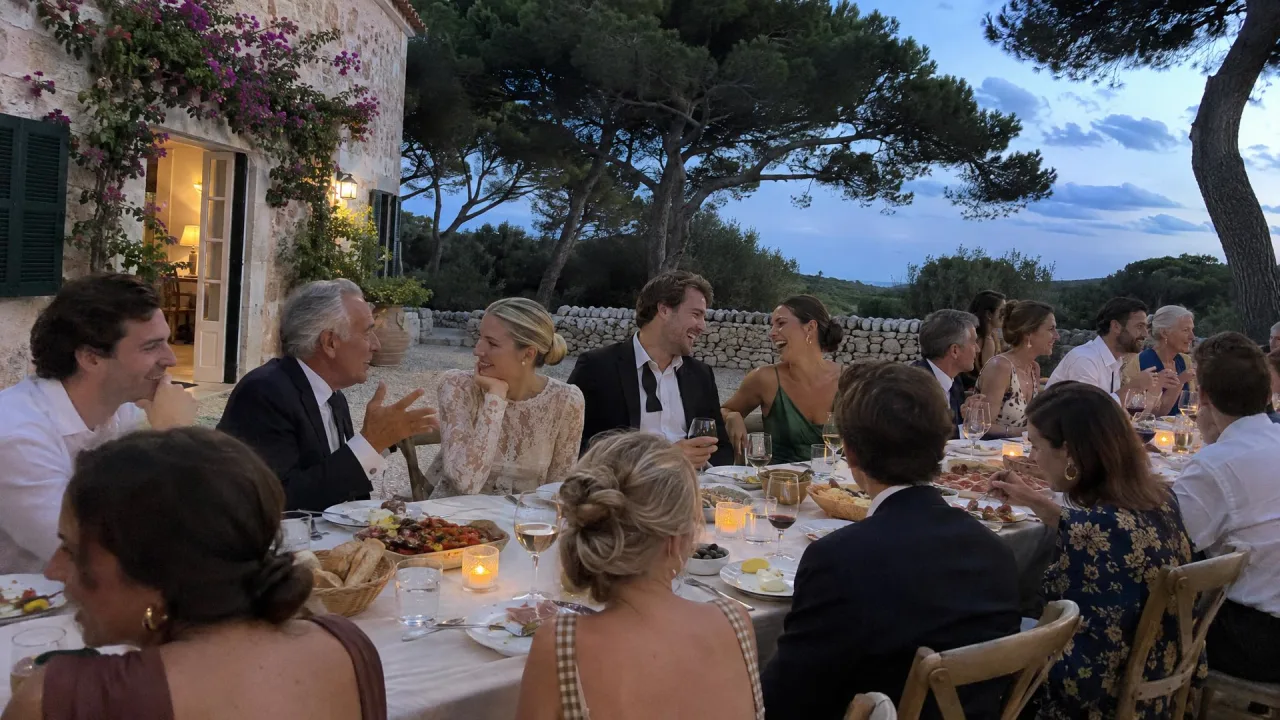
- Exclusive villas and private rooms. A rented villa where everyone stays, or a restaurant's private terrace, often suits 10 to 30 people better than a wedding venue.
- Day of the week and season. A Thursday in late September or early June is easier to book and gentler on guests than a peak August Saturday.
- Per-person costs rise. With fewer guests, fixed costs like the planner, music, photography and video make up a bigger share of the total.
Our breakdown of a destination wedding budget in Spain shows where money typically goes, so you can see which lines shrink with guest count and which do not.
Spend on the things people wish they had
The best part of the thread was the list of regrets. One couple who had an 11-person backyard wedding was clear about what they would change: they wished they had a dress they really loved and had tried on with family, better photos, and real music instead of a phone playlist. Another person wished she had spent a little more on food for the drinks hour. Nobody said they wished they had invited more acquaintances.
So when the guest list shrinks, move the money to the things that last or that every guest feels:
- Food and the dinner itself. With 20 people you can have one long table, a chef's menu and good wine. This is the centre of most small weddings.
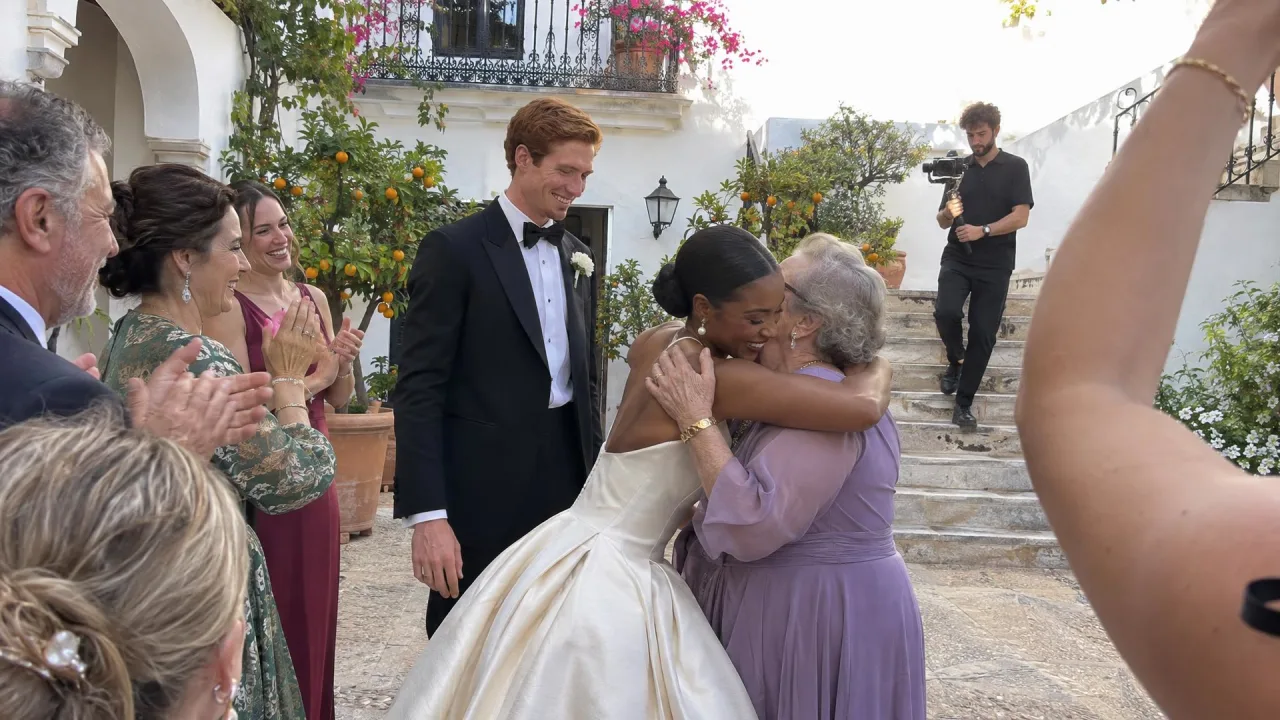
- The setting. A cove, a pine terrace or a courtyard with orange trees does most of the decorating for you.
- The record of the day. Photos and film are what you keep, and what you will show the people who were not there.
- Music. Even one guitarist at the ceremony and a short playlist planned with care changes the evening.
- Your clothes. Small does not mean casual unless you want it to.
Make it a weekend, not just a dinner
Several people who had tiny weddings said the best part was the time around the day: a welcome drink, a hike, a cooking session, an afternoon on a boat. With a short list, guests who barely knew each other ended up friends by the end of the weekend. One commenter also suggested a careful seating plan, putting a shy relative next to someone she already liked.
Spain is made for this. A llaut trip around a Menorca cove the day after, a late lunch in a village, or a long post-wedding brunch all work well for a group of 15. Use our destination wedding timeline for Spain to plan the months before, and remember that a legal ceremony for non-residents can be complicated here. Many couples sign at home and hold a symbolic ceremony in Spain. Our page on legal requirements for marrying in Spain explains the options.

Share the day with everyone who was not there
A popular answer for couples torn between big and small was to do both: a tiny ceremony in Spain and a relaxed party at home later for everyone else. In a separate thread, a couple planning exactly that, a ceremony for ten and a party for ninety a few days later, wanted to film the wedding and play it at the party so everyone could still see the vows.
That is where a film earns its place at a small wedding. Coverage is usually shorter and simpler than at a 150-person day, but what you capture matters more, because it is how your wider family will experience it. A few things to plan:
- Clear ceremony audio. At a small ceremony the vows are often quiet and personal. Ask for a lapel microphone or a recorder near the celebrant.
- The dinner and speeches. At one long table the speeches tend to be spontaneous. Make sure someone is filming when they happen.
- A short version to show at home. A five-minute edit plays well at a party; the full ceremony is for you.
- People, not just places. Grandparents, siblings, the friend who made everyone laugh.
If you are keeping it very small, our article on elopement videography in Spain covers timing and film length for weddings with only a handful of guests. Our wedding videographer cost guide for Spain explains what is included, with films from €2,900.
A simple plan for an intimate wedding in Spain
- Write down why you are going small, in one sentence.
- Draw a guest list line that explains itself.
- Pick a setting that suits 10 to 30 people: a villa, a private terrace, a finca with no high minimums.
- Book a shoulder-season weekday if you can.
- Move the money you save to food, the place, music and the record of the day.
- Plan a weekend, not just a few hours.
- Decide early whether you will host a party at home, and what you want to show there.
One reply summed it up well: you will hurt someone's feelings whichever size you choose, so choose the wedding you actually want. If yours is a small one in Spain and you would like it on film, get in touch with your date and place and we will tell you honestly what coverage makes sense.