

Planning a destination wedding in Spain involves more than choosing the perfect venue and capturing beautiful moments—it requires navigating the legal requirements that make your marriage official. As wedding videographers who've filmed countless international weddings across Spain, we've seen couples successfully navigate these requirements and others face unexpected challenges that could have been avoided with proper preparation.
Understanding Spain's marriage laws is crucial whether you're planning a romantic elopement or a grand celebration. The legal process varies significantly depending on your nationality, the type of ceremony you choose, and even the region where you plan to marry. This comprehensive guide will walk you through every requirement, timeline, and potential pitfall to ensure your Spanish wedding is both legally valid and stress-free.
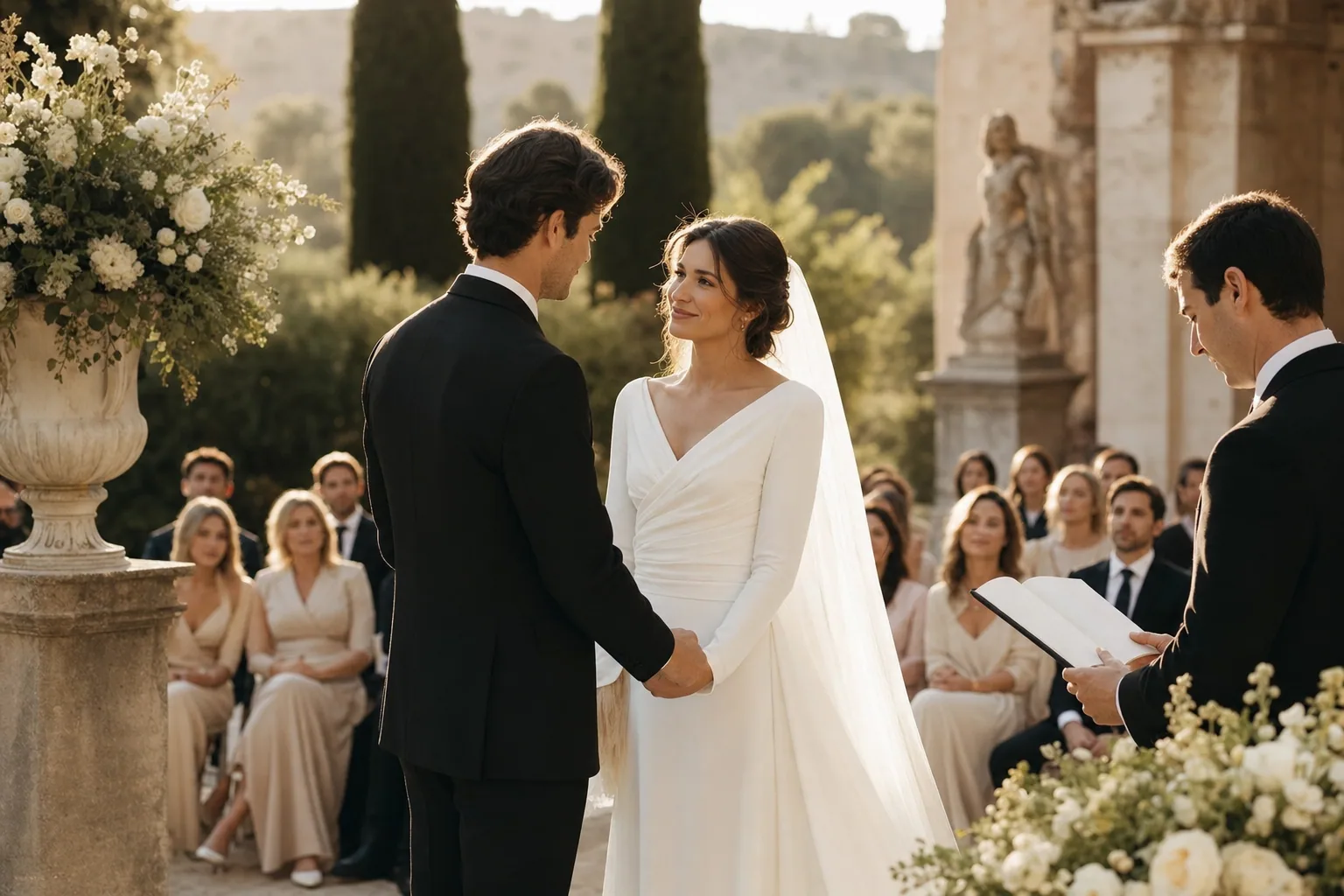
Understanding Spanish Marriage Law: Civil vs Religious Ceremonies
Spain recognizes two primary types of legal marriages: civil ceremonies and religious ceremonies. Civil marriages are performed by a judge, mayor, or designated civil official and are the most straightforward option for international couples. These ceremonies can take place at a registry office, town hall, or approved venue, offering flexibility in location while maintaining legal validity.
Religious ceremonies performed by Catholic priests are automatically recognized by Spanish law, provided both parties meet the church's requirements. However, ceremonies conducted by other religious denominations require additional steps for legal recognition, including civil registration after the religious ceremony.
For many international couples, we recommend focusing on civil ceremonies due to their straightforward requirements and greater flexibility in timing and location. This approach allows you to concentrate on creating the wedding celebration of your dreams while ensuring legal compliance.

Essential Documentation Requirements
The foundation of any legal marriage in Spain lies in proper documentation. International couples must prepare several key documents, each with specific requirements and timelines.
Birth Certificates and Apostille Requirements
Birth certificates must be recent (issued within six months of your wedding date in most regions) and bear an apostille stamp from your country of origin. The apostille authenticates your document for international use under the Hague Convention. US citizens obtain apostilles from the Secretary of State in the state where the birth certificate was issued, while UK citizens use the Foreign, Commonwealth & Development Office.
Processing times for apostilles vary significantly by country and region. In the US, state-level apostilles typically take 1-3 weeks, while federal documents may require 8-12 weeks. UK apostilles generally process within 2-3 weeks but can extend longer during peak periods.
Certificate of No Impediment (CNI)
This document, also called a "Certificate of Freedom to Marry," confirms you're legally free to marry. US citizens obtain this from the US Consulate in Spain, requiring an appointment and sworn affidavit. The process typically takes 1-2 weeks after your consulate appointment.
UK citizens can obtain a CNI from the British Consulate in Spain or through a UK register office before traveling. The Spanish consulate route requires 21 days' notice and costs approximately €65, while the UK route involves posting banns and may take 4-6 weeks.
EU citizens from countries that don't issue CNIs may need alternative documentation, such as a sworn declaration before a Spanish notary, confirming their single status.
Divorce Decrees and Previous Marriage Documentation
If either party was previously married, you must provide divorce decrees or death certificates (in case of widowhood) with apostilles and official Spanish translations. These documents must clearly show the dissolution of any previous marriages.
Multiple divorces require documentation for each dissolved marriage. Processing and translating these documents often takes longer than expected, so begin this process at least 3-4 months before your wedding date.
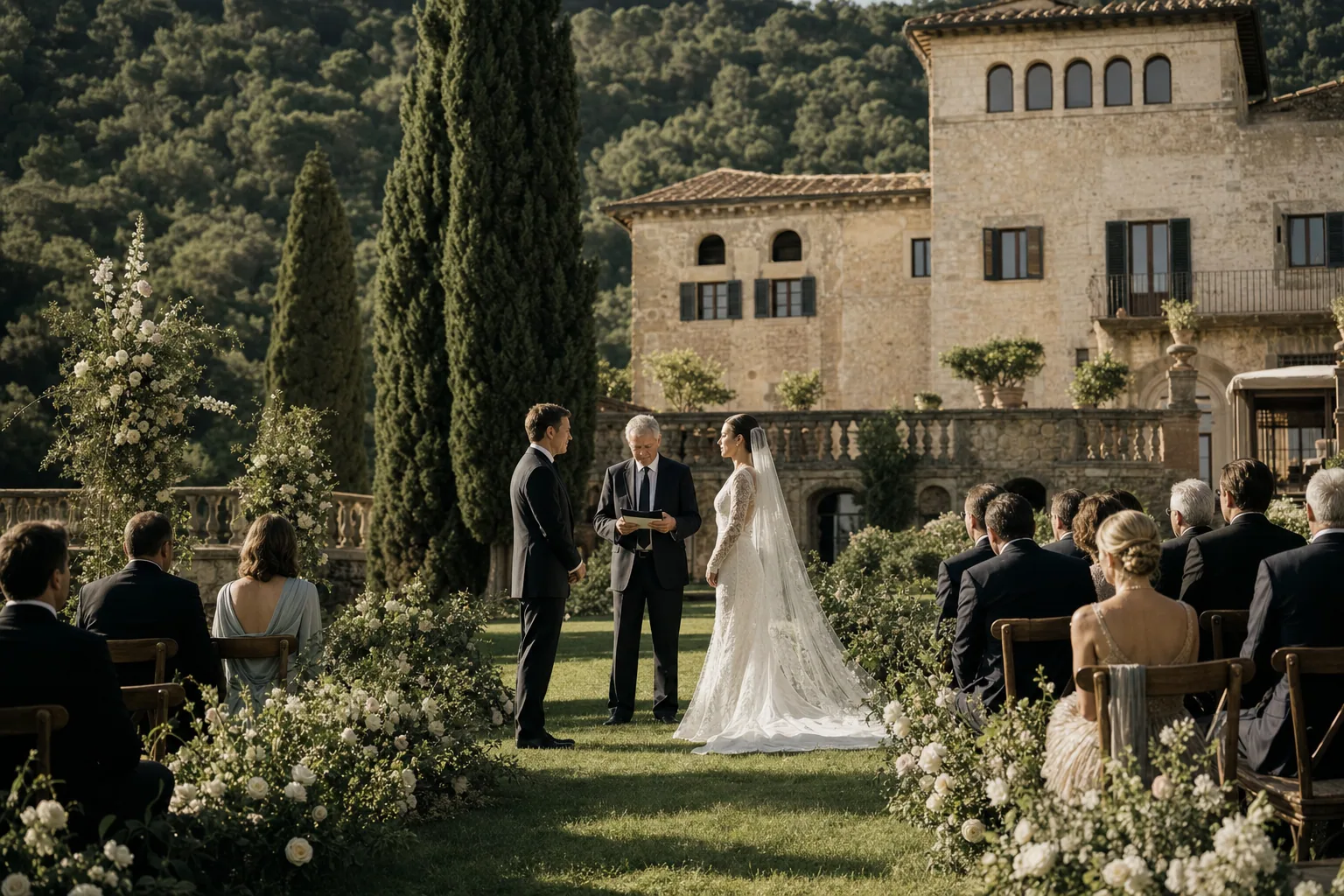
Translation and Legalization Process
All foreign documents must be translated into Spanish by a sworn translator (traductor jurado) officially recognized by the Spanish Ministry of Foreign Affairs. These translations carry legal weight and are required for all official proceedings.
The translation process typically takes 1-2 weeks and costs €30-60 per document, depending on length and complexity. We recommend identifying a qualified translator early in your planning process, as they often book up during peak wedding season.
Some regions require additional legalization steps beyond apostilles and translations. Always confirm specific requirements with the civil registry where you plan to marry, as interpretation can vary between jurisdictions.

Consulate Coordination and Appointments
Most international couples must interact with their home country's consulate in Spain as part of the marriage process. Consulate appointments are essential for obtaining CNIs and may be required for document verification.
Book consulate appointments well in advance, particularly during summer months when demand peaks. Major Spanish cities like Madrid, Barcelona, and Seville have consulates for most countries, but smaller regions may require travel to the nearest major city.
Consulate services vary by nationality. Some provide comprehensive marriage guidance, while others offer minimal assistance. Research your consulate's specific services and requirements before your appointment to ensure you bring all necessary documentation.
Regional Differences Across Spain
Spain's autonomous regions maintain some independence in marriage procedures, creating variations that international couples must navigate.
Catalonia
Catalonian registries often require appointments scheduled 2-3 months in advance, particularly in popular wedding destinations like Barcelona. The region accepts marriages in Catalan, Spanish, or the couple's native language with proper translation services.
Some Catalonian municipalities offer expedited processing for destination wedding couples, but these services typically cost €200-400 above standard fees.
Balearic Islands
The Balearics, including Mallorca, Ibiza, and Menorca, are extremely popular for destination weddings, creating high demand for civil ceremonies. Peak season bookings (May through September) require 3-4 months advance planning.
Island registries often have limited staff and facilities, making flexibility crucial. Some couples choose to complete legal formalities on the mainland before their island celebration.
Andalusia
Andalusian regions like Seville, Granada, and Marbella offer relatively streamlined processes for international marriages. Many registries in tourist areas have experience with destination weddings and may offer English-speaking staff or translators.
However, smaller Andalusian towns may have limited availability and require more advance planning. Popular venues often maintain relationships with local registries to facilitate the process.
Symbolic vs Legal Ceremonies: Strategic Considerations
Many international couples choose to separate their legal marriage from their celebration ceremony, completing legal formalities before or after their Spanish wedding celebration. This approach offers several advantages:
- Simplified planning: Focus on your dream celebration without legal constraints
- Flexible timing: Legal ceremonies can occur on different dates than celebrations
- Reduced stress: Eliminate legal concerns from your wedding day
- Cost savings: Avoid expedited processing fees and complex coordination
If you choose this route, you can have a symbolic ceremony in Spain that feels completely authentic while handling legal requirements separately. Many couples complete legal formalities in their home country before traveling or return home shortly after their Spanish celebration to finalize legal requirements.
This approach works particularly well when planning elaborate celebrations at venues like Castell de Tamarit or The Lodge Mallorca, where the focus is on creating unforgettable memories rather than navigating legal procedures.
Working with Local Registrars and Officials
Building positive relationships with local civil registry staff significantly impacts your marriage process. Spanish bureaucracy values personal relationships and proper protocol, so approach interactions with patience and respect.
Initial contact should occur 3-4 months before your intended wedding date. Many registries prefer in-person visits for initial consultations, though some accept email inquiries. Always bring a Spanish-speaking friend or hire a translator for important meetings.
Required meetings typically include an initial consultation to review requirements, a document submission appointment, and the ceremony itself. Some registries require both parties to appear for document submission, while others accept representation by one party with proper authorization.
Registry offices operate on Spanish schedules, typically closing for lunch from 2-4 PM and maintaining limited afternoon hours. Plan your visits accordingly and always confirm operating hours before traveling.
The Role of Wedding Planners in Legal Procedures
Experienced Spanish wedding planners provide invaluable assistance with legal requirements, particularly those specializing in international weddings. Professional planners understand regional variations, maintain relationships with registries, and can navigate language barriers.
Full-service planners often include legal coordination in their packages, handling document preparation, translation coordination, and registry communication. This service typically adds €1,500-3,000 to planning costs but can save months of stress and potential complications.
Legal-only coordination services focus exclusively on marriage requirements without full wedding planning. These specialists charge €800-1,500 and work particularly well for couples planning their own celebrations but needing legal guidance.
When selecting a planner for legal assistance, verify their experience with your nationality's requirements and their relationships with registries in your chosen region.
Common Pitfalls for US, UK, and EU Couples
Different nationalities face specific challenges when marrying in Spain. Understanding these common pitfalls helps avoid delays and complications.
US Couples
- State-specific apostille requirements: Documents from different states require separate apostille processes
- Consulate appointment delays: US consulates in Spain often have 2-3 week waiting periods
- Name change complications: Spanish law doesn't automatically recognize name changes after marriage
- Social Security considerations: Marriage abroad may require additional documentation for US benefit changes
UK Couples
- Brexit implications: Post-Brexit procedures may require additional steps in some regions
- CNI timing: The 21-day notice period for Spanish consulate CNIs often surprises couples
- Document validity periods: UK documents may have shorter validity periods than expected
EU Couples
- Varying national requirements: Each EU country has different documentation standards
- Translation requirements: Even EU documents require official Spanish translation
- Residency assumptions: EU citizenship doesn't eliminate all bureaucratic requirements
Timeline Planning: When to Start Legal Preparations
Successful legal preparation requires careful timeline management, with different phases requiring specific attention.
6 months before: Begin gathering birth certificates and identifying apostille requirements. Research consulate procedures and book initial appointments.
4-5 months before: Submit documents for apostille processing. Contact Spanish registry for initial consultation. Begin translator identification.
3 months before: Complete consulate appointments and obtain CNIs. Submit apostilled documents for translation. Schedule registry appointments.
2 months before: Submit all documentation to Spanish registry. Confirm ceremony details and requirements. Arrange for witnesses if required.
1 month before: Final registry meeting and ceremony confirmation. Ensure all documentation is complete and accessible.
This timeline accommodates normal processing delays but should be accelerated if planning during peak season or in high-demand regions.
Aligning Legal Dates with Wedding Celebrations
Coordinating legal requirements with your celebration timeline requires strategic planning, especially when managing guest travel logistics and venue availability.
Many couples choose to complete legal formalities 1-2 days before their celebration, allowing time to address any last-minute issues without affecting the main event. This approach works well when combined with comprehensive timeline planning that accounts for both legal and celebratory elements.
Alternative approaches include completing legal requirements during an earlier trip to Spain or handling formalities in your home country before traveling. Each option has advantages depending on your specific circumstances, guest arrangements, and venue requirements.
Final Recommendations
Successfully navigating Spain's marriage requirements requires patience, organization, and realistic timeline expectations. Start your legal preparations early, maintain organized documentation, and don't hesitate to seek professional assistance when needed.
Remember that while legal requirements are essential, they're just one component of your Spanish wedding journey. Comprehensive planning that addresses legal, logistical, and celebratory elements ensures your destination wedding creates the memories you've dreamed of.
As wedding videographers, we've witnessed countless couples successfully navigate these requirements and celebrate beautiful, legally recognized marriages in Spain. With proper preparation and realistic expectations, your Spanish wedding can be both legally sound and absolutely magical.